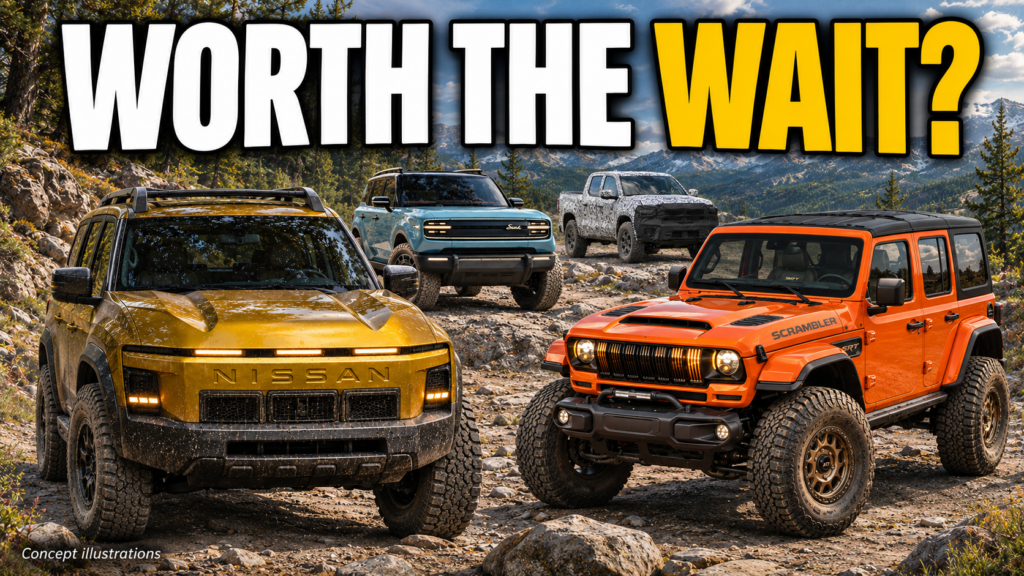
2028 Preview: Worth the wait for these Off-Road toys?
Apparently, the off-road industry looked at our bank accounts and decided we’d had that money long enough.
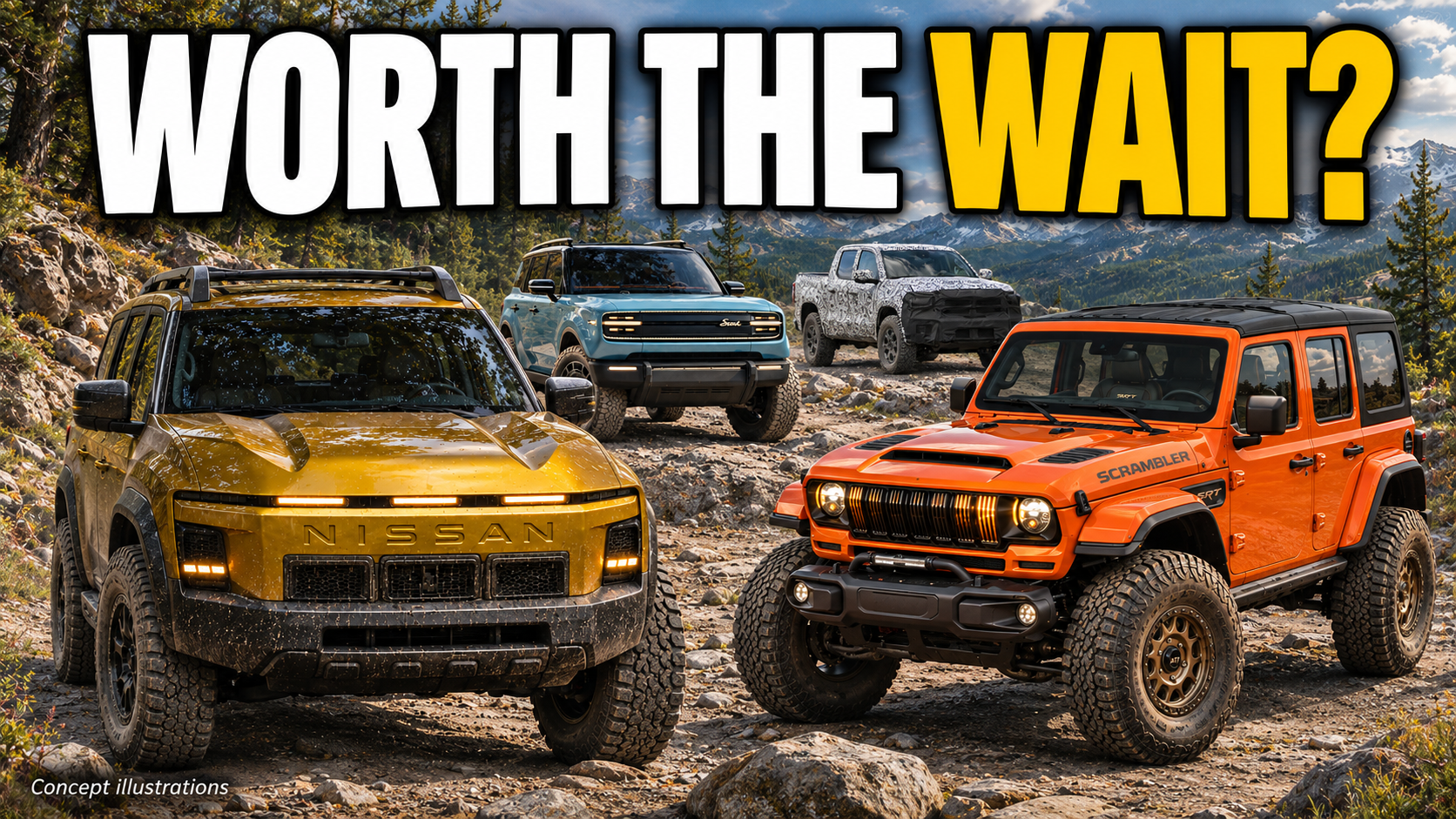
The Nissan Xterra is coming back, Scout is working toward customer deliveries, Ram is bringing back the Dakota, and Jeep is giving us plenty to discuss about the Wrangler’s future.
For anyone considering a new truck or SUV, that creates a question: buy something available today, or wait to see how these vehicles turn out?
Looking toward 2028, these are four vehicles we’re watching at All Terrain Nation. They aren’t all confirmed 2028 model-year products, and their development schedules differ. But each gives enthusiasts a reason to pay attention.
Nissan Xterra: The Comeback That Hits Close to Home
Let’s start with the one most likely to get me in trouble with Kelly.
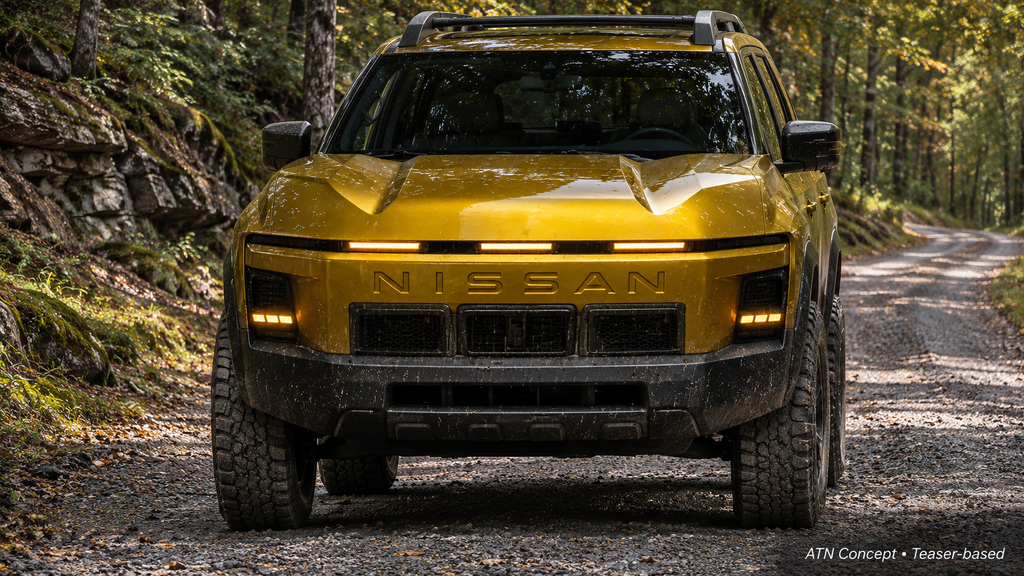
I’ve owned three Xterras, founded an Xterra community and helped build an event around these vehicles. My connection to the name goes well beyond remembering one in a dealership parking lot.
Nissan confirms that the returning Xterra will be U.S.-built, use body-on-frame construction and offer V6 or V6 hybrid power. The company targets a late-2028 launch. That’s a promising starting point for a vehicle carrying this much expectation.
The two things that excite me most are the truck-based foundation and the powertrain choices. Nissan has an opportunity to build something practical and capable that appeals to people who actually want to get outside.
But two questions keep my excitement in check: what will it cost, and what equipment will we get?
We still need the specifications that establish its trail capability. Pricing matters just as much. I want an Xterra that leaves buyers enough money to take the trip they bought it for.
I want this thing to succeed. It still needs to earn its place in my driveway, because nostalgia doesn’t make the payment.
Jeep Wrangler: Moving Forward Without Losing Its Character
Apparently, we’ve reached the point where discussing Jeep front suspension requires a moderator and a cooling-off period.
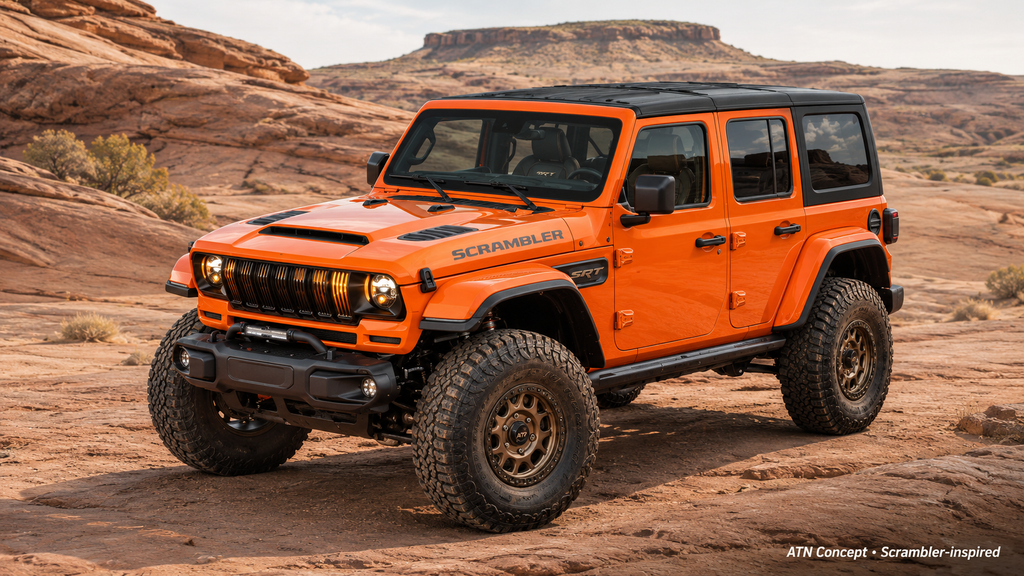
Jeep’s Wrangler Scrambler SRT concept gives us something substantial to discuss. Its sharknose styling brings a different attitude, while its independent front suspension demonstrates an approach Jeep could explore further. It does not confirm that the next production Wrangler will use that suspension or look like our rendering.
The opportunity here is better everyday driving while keeping the capability people expect. I’m interested in anything that makes a vehicle more comfortable on the road without compromising what buyers use it for.
The second encouraging point is price. Stellantis has said the upcoming Wrangler will cost less than the current vehicle. We’ll need actual numbers and equipment lists to judge that promise.
My concerns are how much meaningful improvement reaches production and whether Jeep can make those changes while keeping its existing customers involved.
Stellantis points to a new Wrangler launch in the second half of 2027. That leaves room for it in this discussion looking toward 2028, but doesn’t establish a complete redesign or confirmed 2028 model-year specifications.
Whatever changes, it needs to feel like a Wrangler when the pavement ends.
Ram Dakota: A Welcome Return to Midsize Trucks
I like a full-size truck. Sometimes, though, I’d like to park without needing a spotter.
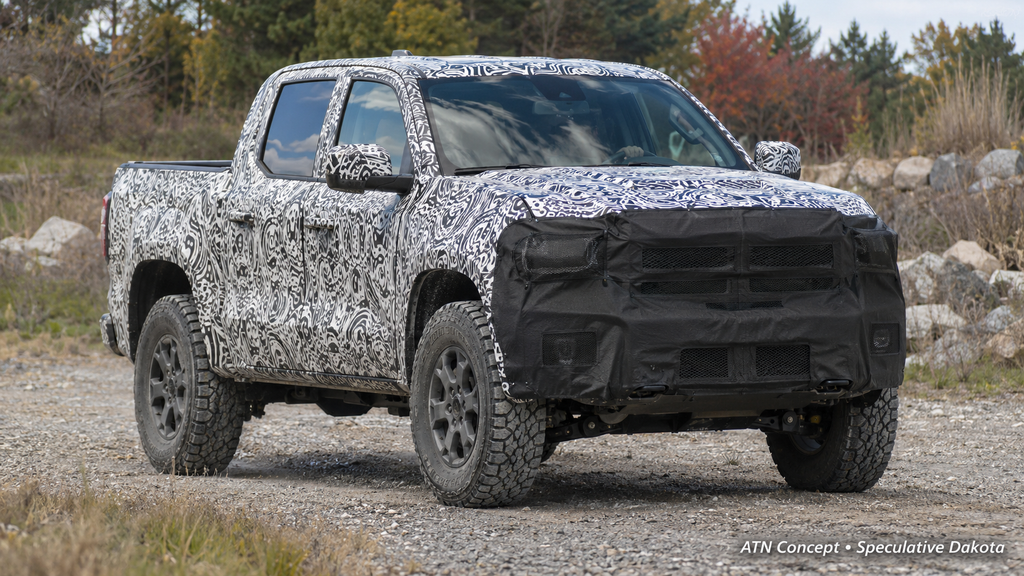
That’s part of the appeal of the returning Ram Dakota. Stellantis plans a North American midsize pickup launch in 2028, and the Dakota name has been confirmed.
More competition is the first high point. Tacoma, Ranger, Colorado and Frontier buyers could have another reason to shop around.
The second is Ram’s recognition that it needs a more affordable truck. Leadership has discussed needing a roughly $40,000 offering, although that isn’t a confirmed Dakota starting price.
My first concern is that we still need its off-road details. Four-wheel-drive systems, ground clearance, underbody protection and available trims will determine where it belongs in this segment.
The second is what the desirable version will cost. An attractive base price is welcome, but adding four-wheel drive and trail equipment can change the conversation quickly.
Ram has an opportunity here. Give us a useful bed, a comfortable cab and capable hardware—and leave a little room in the budget for gas.
Scout Traveler: Great Looks, Big Expectations
Scout has my attention. I probably need to quit looking at pictures before Kelly notices.
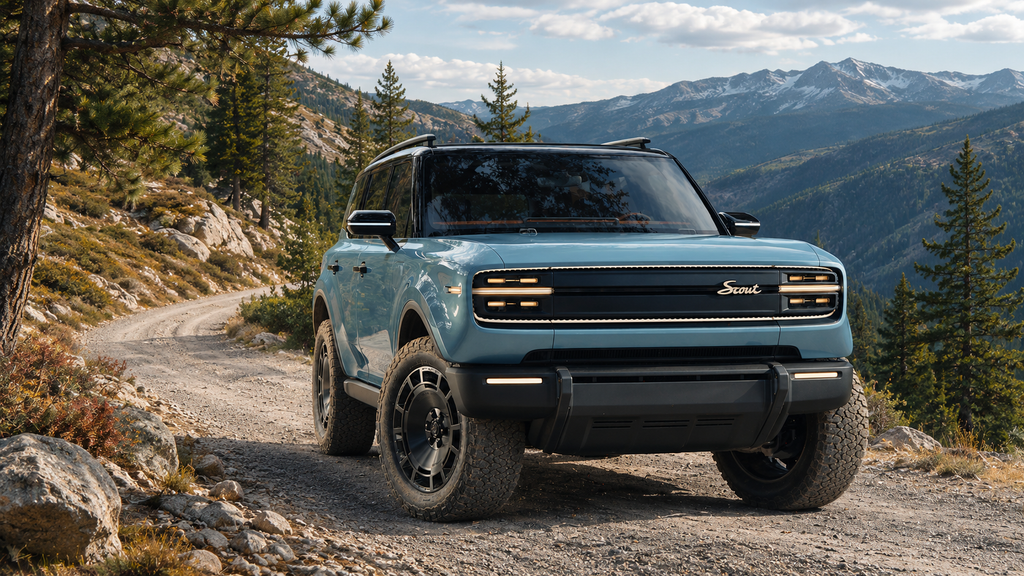
The Traveler’s design has personality, and the Harvester range-extender configuration gives me another reason to consider it. Electric driving supported by a gasoline-powered generator could appeal to people who travel beyond convenient charging stops.
Scout says it will begin with Harvester-equipped Travelers, with first customer deliveries anticipated in 2028.
Those are my two high points: the range-extender approach and the fact that Scout is prioritizing this SUV configuration.
My concerns start with ownership support. Where will buyers get service? How quickly will parts arrive? What happens when something breaks during a trip?
Then there’s the finished vehicle itself. Real-world efficiency, capability, quality and final pricing need to justify the excitement.
I like what Scout is showing us. Before making room in the driveway, though, I need to drive one. I’ve already made enough expensive decisions based on a good-looking vehicle.
Would You Wait?
The Xterra has my strongest personal connection. Wrangler has an opportunity to improve an established favorite. Dakota could shake up midsize truck shopping, while Traveler offers a different approach to getting out and exploring.
For now, I’d keep watching rather than make a buying decision around unfinished specifications. Getting excited is the cheap part.
Which of these four would make you put off buying a vehicle today?
Some accompanying images are independent concept illustrations. They do not confirm production designs, equipment or model years.
About The Author