Were Pickup Trucks Really Cheaper 35 Years Ago? The Truth About Affordable Trucks
Remember when you could walk into a dealership and buy a brand-new Nissan Hardbody, Chevrolet S-10, or Ford Ranger without spending a fortune?
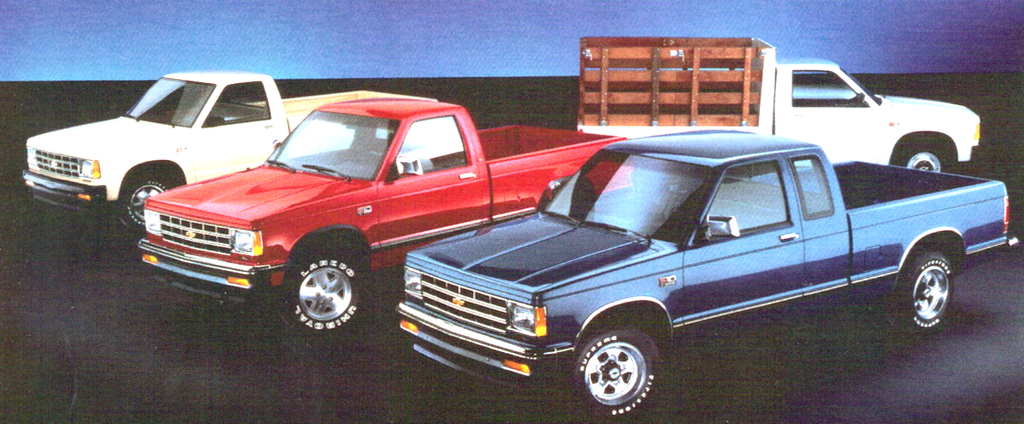
If you’re somewhere between 45 and 65 years old, there’s a good chance you remember those days. Those little pickups weren’t fancy, but they got the job done. They were affordable, practical, and for many of us, they were our introduction to owning a truck.
But what about today’s younger buyers? If you’re in your twenties or thirties, the idea of buying a brand-new pickup might seem completely out of reach.
That got me thinking. Were pickup trucks really that much cheaper 35 years ago, or have we forgotten what we were actually getting for our money?
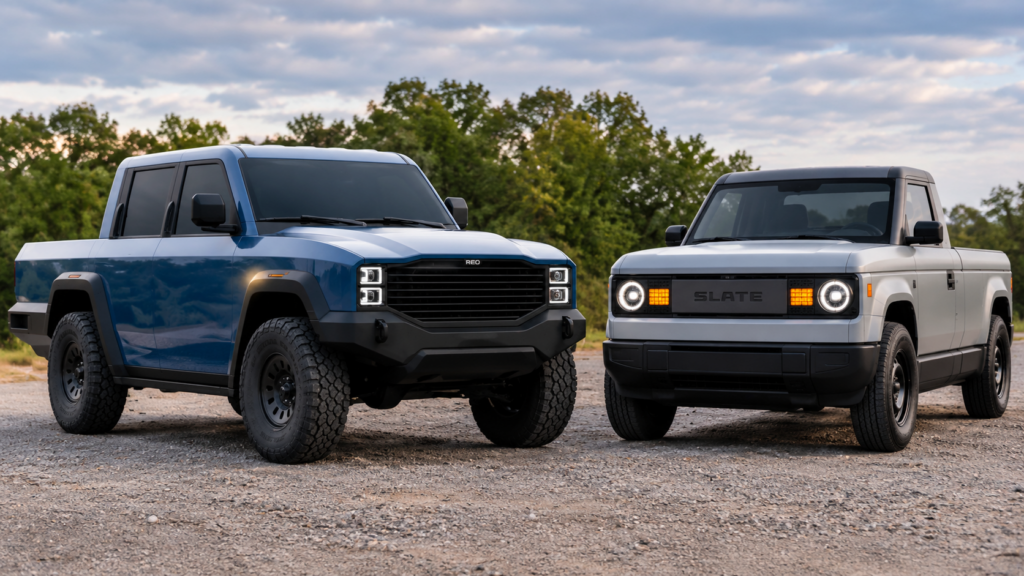
And with companies like REO and Slate looking to bring back the affordable pickup, maybe it’s time to have that conversation.
The $8,000 Chevrolet S-10
Let’s go back to 1990.
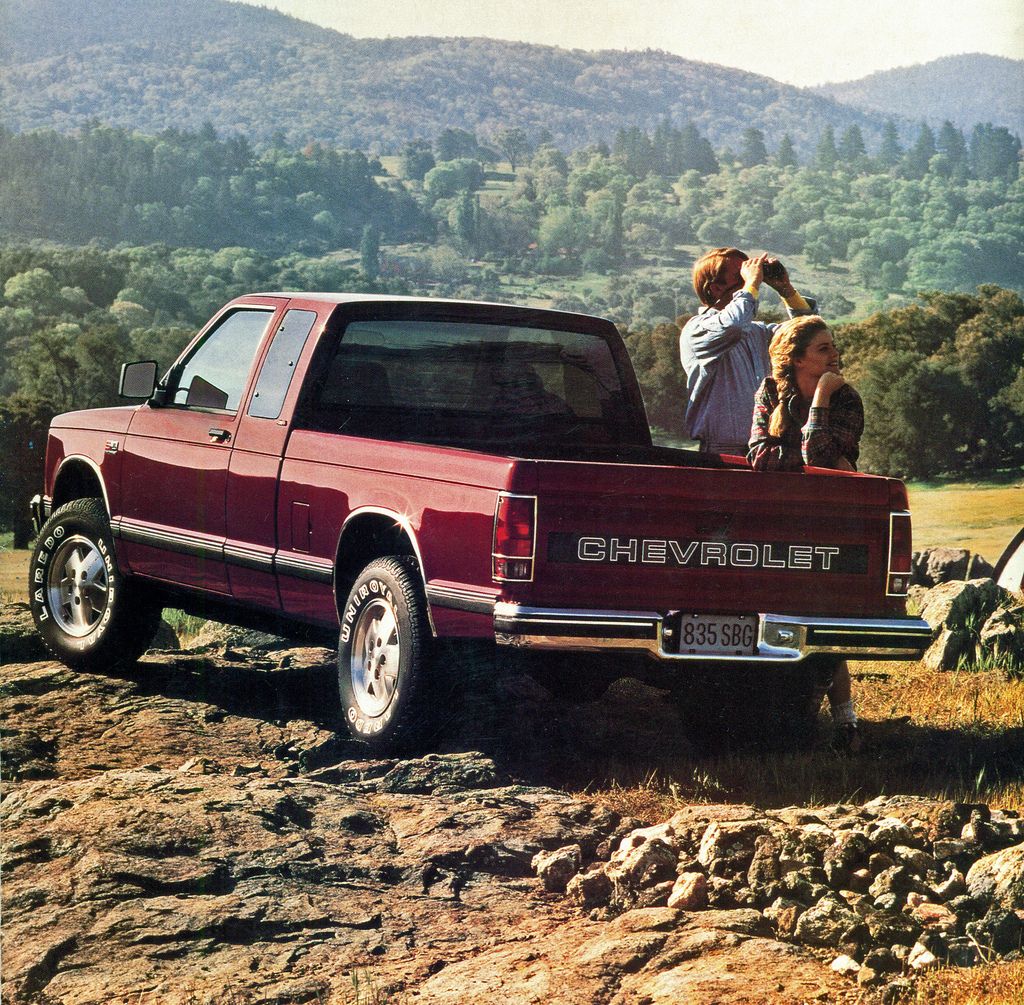
Chevrolet offered a basic S-10 EL pickup with a listed base price of $7,995. Think about that for a second. A brand-new pickup for less than eight grand.
Sounds pretty good, doesn’t it?
But here’s something we tend to forget when talking about the good old days: inflation.
Adjust that $7,995 for inflation, and you’re looking at roughly $19,500 in 2026 dollars.
Suddenly, that old S-10 doesn’t seem quite as inexpensive as we remember.
And let’s not forget what you were getting. The basic S-10 came with a four-cylinder engine making less than 100 horsepower, a fairly simple interior, and very little in the way of modern technology.
But for many buyers, that was enough.
You had a pickup that could haul materials from the hardware store, get you back and forth to work, and handle the occasional weekend project.
It wasn’t trying to be a luxury vehicle.
It was just a truck.
Are Today’s Trucks Actually a Better Value?
Now, before we start beating up the automotive industry for making everything more expensive, I think we need to be fair.
Take something like the Ford Maverick.
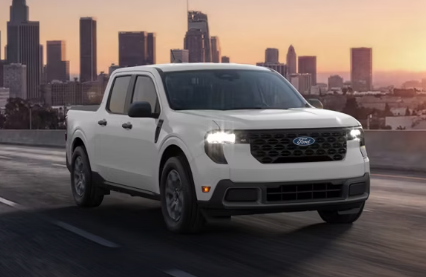
Even the basic Maverick offers substantially more horsepower, better crash protection, modern safety equipment, and technology that would’ve been unheard of in a compact pickup back in 1990.
In many ways, we’re getting a significantly more capable vehicle for our money.
That doesn’t necessarily mean we’re getting a more reliable truck or one that’s easier to repair. Those are different conversations.
And it certainly doesn’t mean everybody can afford one.
There’s a difference between getting good value and being able to afford the monthly payment. Insurance, interest rates, and everyday living expenses can make a reasonably priced vehicle feel anything but affordable.
But maybe the problem isn’t simply that trucks have gotten more expensive.
Maybe the definition of a basic pickup has changed.
Two Companies, Two Completely Different Ideas
This is where REO and Slate enter the picture.
Both companies see an opportunity in the affordable pickup market, but they’re approaching it from opposite directions.
REO is proposing a traditional gasoline-powered pickup called the Runabout T4X. The company is emphasizing body-on-frame construction, mechanical four-wheel drive, and simplicity. Its preliminary starting price has been estimated around $21,500.
I find that approach interesting because it reminds me of what made those older compact pickups appealing.
You didn’t need every feature imaginable. You needed something practical that could do the job.
Slate, on the other hand, is taking the electric route.
Its basic electric pickup has been announced at $24,950 before destination charges. Rather than loading the vehicle with equipment, Slate wants to simplify production and allow customers to add accessories and features to suit their needs.
Two very different powertrains, but a similar philosophy.
Less is more.
Of course, there’s an important catch. Neither company has demonstrated that it can manufacture these trucks at scale and operate a sustainable, profitable business.
And that brings us to what might be the biggest question of all.
If the Small Companies Can Do It, Why Can’t Ford and GM?
Let’s be fair to the major automakers.
Ford, GM, Nissan, and Toyota are businesses. They’re expected to make money, and higher-priced trucks can generate substantial profits.
There’s also the reality of manufacturing costs.
Engineering, safety regulations, emissions compliance, factories, labor, warranty support, and distribution all cost money.
But here’s where I start questioning things.
The major manufacturers already have established factories, supplier relationships, engineering departments, and decades of manufacturing experience.
REO and Slate are trying to enter an industry where the cost of getting started can be enormous.
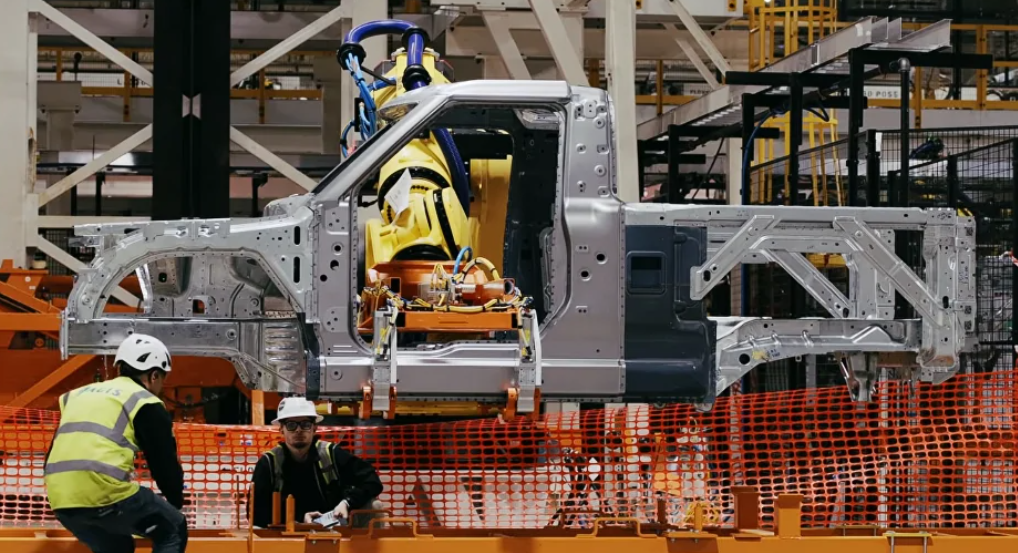
So why do these smaller companies believe there’s an opportunity that the established manufacturers aren’t pursuing more aggressively?
Part of the answer might be profitability.
A manufacturer may be capable of building a less expensive truck, but that doesn’t mean it considers the investment worthwhile compared with selling more profitable vehicles.
There’s also the possibility that an inexpensive pickup could take sales away from a more expensive model already sitting on the dealership lot.
Ford deserves some credit here. The Maverick showed that a smaller, more affordable pickup could attract attention, although its starting price has increased since its introduction.
Still, the number of genuinely inexpensive pickup choices remains limited.
The challenge for REO and Slate will be proving that affordability can translate into a profitable business rather than simply an attractive concept.
Maybe Buyers Are Part of the Problem
Here’s something else we probably don’t want to admit.
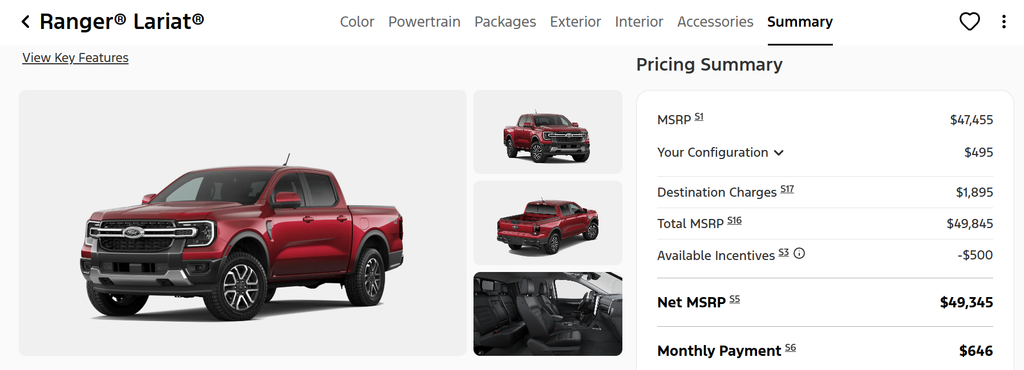
Maybe we helped create this situation.
We talk about missing those simple little pickups, but when we go shopping, what do we want?
More horsepower. Four-wheel drive. Heated seats. Bigger screens. Better sound systems. More technology.
And there’s nothing wrong with wanting those things.
But they add cost and complexity, and manufacturers have responded to what buyers have been willing to purchase.
The question is whether there’s still a large enough group of people who genuinely want something simpler.
Not necessarily something better in every category.
Just a practical pickup at a price they can afford.
Have We Forgotten What Made Small Trucks Great?
I don’t necessarily want to go back to driving a 1990 Chevrolet S-10.
Modern vehicles have made tremendous improvements in safety, performance, comfort, and capability.
But I do miss the idea that you could buy a pickup without needing to spend a small fortune.
That’s what makes REO and Slate interesting to me.

Neither company has proven it can deliver on its promises, but both are challenging the idea that every pickup needs to be bigger, more expensive, and loaded with technology.
And maybe that’s a conversation the automotive industry needs to have.
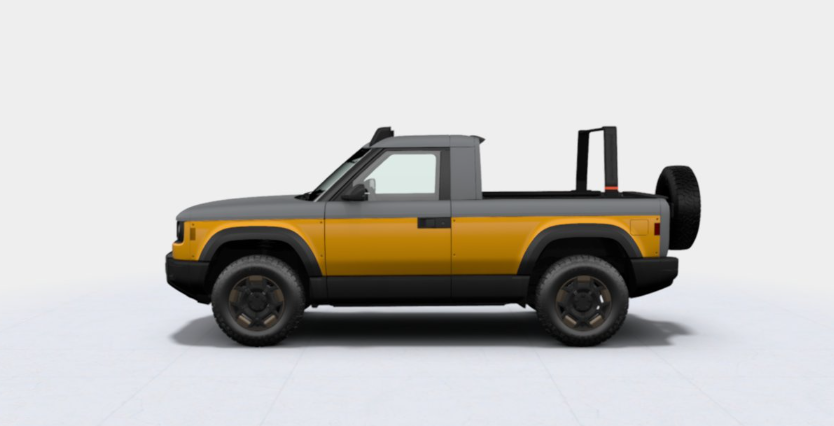
Because whether you’re 55 years old and remember buying a Nissan Hardbody or you’re 25 and trying to afford your first new truck, the goal really isn’t that different.
You want something practical, dependable, and affordable.
Maybe we don’t need to bring back the trucks of 1990. Maybe we just need to bring back the idea behind them.
What do you think? Would you buy a brand-new, basic pickup for around $25,000, or have we gotten too comfortable with all the extras?
About The Author