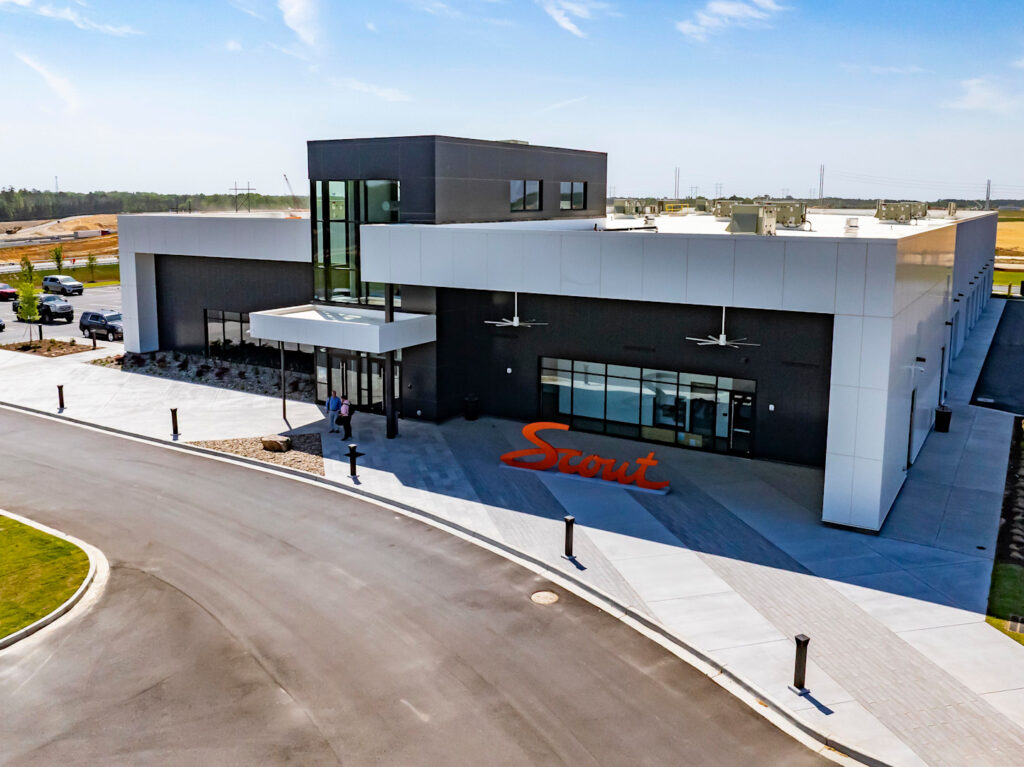
Scout Motors Has a Big Problem in Tennessee, And It Could Cost Them My Order
Scout Motors is moving closer to production, but a fight over how it plans to sell vehicles could leave some reservation holders wondering how they’ll actually get their new SUV or truck.
I’ve been pretty excited about the return of Scout Motors. So much so that I put down a reservation for the new Scout Traveler with the Harvester range-extender system. The idea of a modern, rugged SUV that brings back a legendary American nameplate is something that caught my attention from the beginning.
But there’s a problem brewing, and living here in Tennessee, it’s one that could directly affect my decision to follow through with that reservation.
The Tennessee Motor Vehicle Commission has rejected Scout Motors’ application for a dealer license, voting 14–2 against the company. That means Scout currently doesn’t have the approval it sought to sell vehicles directly to customers in Tennessee.
And while that might sound like another legal battle between manufacturers and dealerships, for customers like me, it’s a much bigger deal.
Why Tennessee Said No to Scout Motors
Scout Motors is owned by Volkswagen AG, but the company has been positioning itself as an independent American automotive brand. Its vehicles are being developed under the Scout name, and production is being established at a new manufacturing facility in South Carolina.
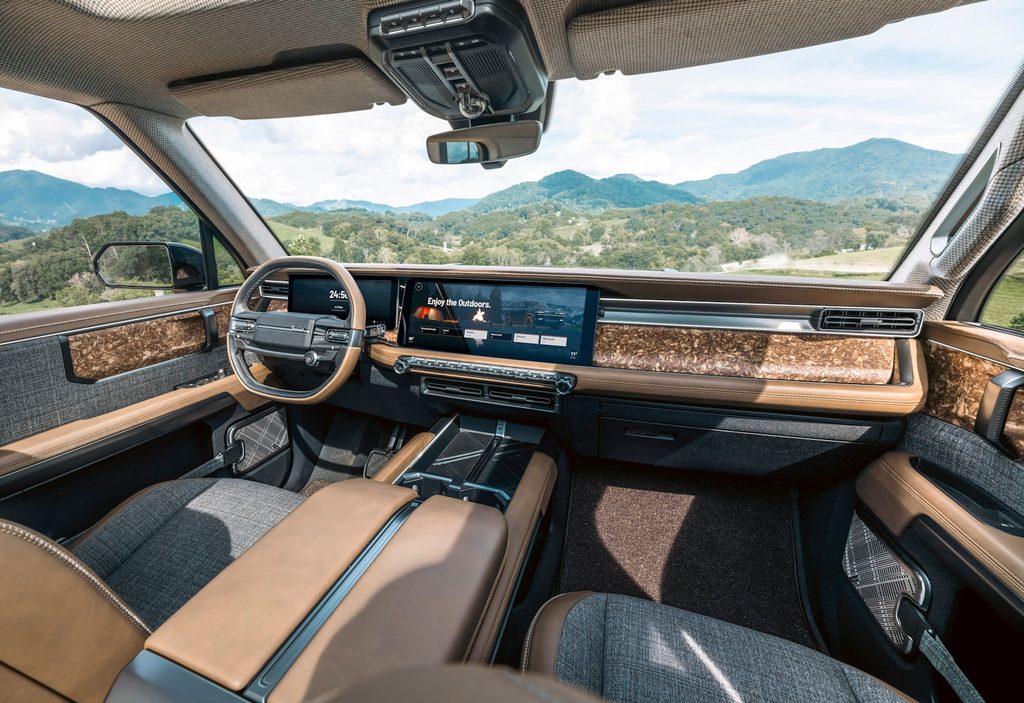
The problem isn’t necessarily the vehicles. It’s how Scout wants to sell them.
Rather than following the traditional dealership model, Scout plans to sell directly to consumers, similar to what Tesla and Rivian have done.
That means customers would deal directly with Scout when ordering their vehicles, with the company controlling the purchase experience, delivery, and service network.
Sounds pretty straightforward, right?
Well, not if you’re an existing Volkswagen dealer.
Volkswagen dealers in Tennessee argue that because Volkswagen AG owns Scout, allowing the new company to sell directly to consumers would essentially let an established manufacturer compete against its own franchised dealerships.
Scout disagrees.
The company argues that Volkswagen dealerships don’t sell Scout vehicles, Scout has its own identity, and there isn’t an existing Scout dealer network in Tennessee that would be competing against company-owned stores.
That’s an important distinction, and one that will likely continue to be debated in courtrooms and state regulatory hearings.
For now, Tennessee regulators have sided against Scout.
I’m a Scout Customer, So What Happens to My Order?
Here’s where this story gets personal.
I’ve owned, driven, and reviewed a lot of vehicles over the years. I’ve also spent plenty of time dealing with traditional dealerships, both good and bad.
When Scout announced the Traveler and Terra, I liked the direction the company was taking. The styling looked right, the off-road capability sounded promising, and the Harvester range-extender option made the Traveler particularly interesting.
Enough that I reserved one.
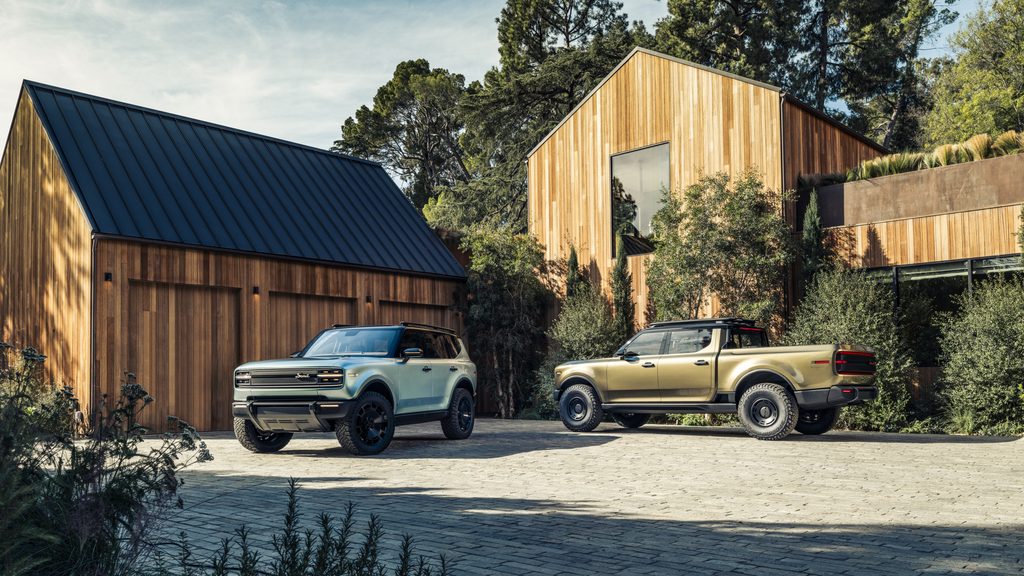
But I live in Tennessee, and I have no desire to travel across state lines just to pick up a new vehicle because the manufacturer can’t figure out how to sell it in my home state.
Now, to be fair, Scout hasn’t started customer deliveries yet. The company is targeting 2028, which gives it time to work through some of these legal challenges.
And Tennessee’s decision doesn’t automatically mean I can’t purchase or register a Scout here. There could be other legal purchasing and delivery arrangements available by the time production vehicles arrive.
But that’s exactly the problem.
As a customer, I shouldn’t have to wonder how I’m going to take delivery of a vehicle I’ve already reserved.
And what happens after I buy it?
Where do I go for warranty repairs? What happens if there’s a recall? What if something breaks that can’t be repaired in my driveway?
Scout has talked about its service network and mobile repair capabilities, but those plans need to become real solutions for customers in states where direct sales face restrictions.
I’m willing to give a new manufacturer an opportunity. I’m not willing to make purchasing and servicing a vehicle unnecessarily complicated.
Are Traditional Dealerships Protecting Customers or Themselves?
This is where the discussion gets interesting.
I understand why franchise dealers are concerned. They’ve invested millions of dollars in facilities, employees, equipment, and their relationships with manufacturers.
If Volkswagen can create another brand and sell directly to customers, dealers worry about what that could mean for the traditional franchise model.
And I don’t think that concern should simply be dismissed.
But there’s another side to this argument.
What about the customer?
If I want to purchase a Scout directly from the manufacturer, why shouldn’t I have that option?
Traditional dealerships have had decades to demonstrate their value. Some do an excellent job, while others have created the very frustrations that make direct-to-consumer sales attractive.
Market adjustments, unnecessary add-ons, and hours spent negotiating a purchase aren’t exactly things customers are going to miss.
That doesn’t mean direct sales are automatically better. A strong local dealership can be a tremendous asset when something goes wrong with your vehicle.
But I believe customers should have a choice, and the industry needs to figure out how to compete for that business rather than simply relying on the traditional way of doing things.
Scout Is Building Vehicles, but Can It Deliver Them?
The frustrating part is that Scout appears to be making real progress on the manufacturing side.
The company’s South Carolina facility has begun building early validation vehicles, an important milestone as Scout prepares for production.
Scout is planning to offer both the Traveler SUV and Terra pickup, with fully electric and Harvester extended-range powertrain options.
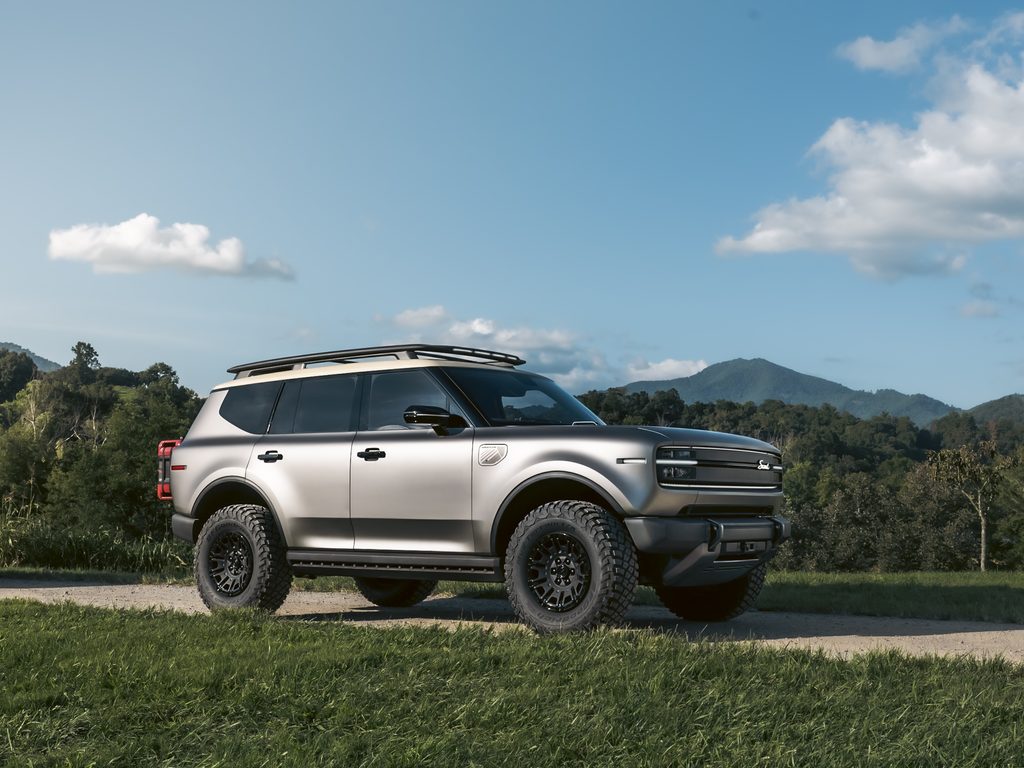
The company has also reported approximately 212,000 reservations, although reservations certainly aren’t the same thing as completed sales.
There’s clearly interest in what Scout is building.
But building a great vehicle is only part of launching a successful automotive brand.
You also have to get that vehicle into customers’ hands.
And that’s where I believe Scout has a bigger challenge than some enthusiasts realize.
The company can build the best-looking off-road SUV on the market, but if customers can’t conveniently purchase, receive, and service one, that excitement could disappear pretty quickly.
Could This Cost Scout My Reservation?
Absolutely.
And I don’t say that because I’ve lost interest in the Traveler.
Quite the opposite.
I want Scout to succeed. I want to see another legitimate competitor enter the off-road SUV market and challenge established names like the Ford Bronco, Jeep Wrangler, and Toyota 4Runner.
Competition generally makes the industry better.
But when the time comes to finalize my order, I need to know that purchasing and owning a Scout in Tennessee will be a reasonable experience.
If that means driving hundreds of miles to complete a transaction or struggling to find service when something goes wrong, I’ll have to seriously reconsider.
Scout still has time to get this figured out before customer deliveries begin in 2028.
Hopefully, the company and the states challenging its business model can find a solution that doesn’t leave customers caught in the middle.
Because at the end of the day, I don’t care nearly as much about who gets to sell me a Scout as I do about being able to buy one.
What do you think? Should Scout Motors be allowed to sell directly to customers, or should it be required to work through traditional dealerships? And would you travel out of state to purchase a vehicle you really wanted?
About The Author