GM’s 6.2L V8 Problem Isn’t Over—NHTSA Opens New Probe Into Nearly 1 Million Trucks and SUVs
Just when General Motors appeared to be getting its 6.2-liter V8 engine problems under control, federal safety regulators are taking another look.
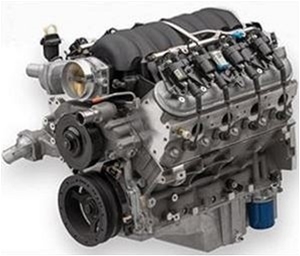
The National Highway Traffic Safety Administration (NHTSA) has opened a new engineering analysis involving approximately 997,743 General Motors trucks and SUVs equipped with the 6.2-liter L87 V8. The investigation includes popular models such as the Chevrolet Silverado 1500, Chevrolet Tahoe and Suburban, GMC Sierra 1500, GMC Yukon and Yukon XL, and Cadillac Escalade.
The big question now isn’t simply whether these engines can fail. GM has already acknowledged that problem.
The question is: Did GM’s previous recall remedy actually fix it?
499 Complaints After Previous Recall
According to NHTSA, the agency has received 499 complaints alleging engine failures even after vehicles went through an earlier recall remedy.
That’s significant because GM previously recalled hundreds of thousands of 2021–2024 vehicles equipped with the L87 V8 after determining that manufacturing defects involving the crankshaft and connecting rods could result in engine damage or complete engine failure.
GM’s 2025 recall documentation identified two primary causes: contamination or sediment affecting connecting rods and crankshaft oil passages, and crankshafts manufactured with dimensions or surface finishes outside specification.
Either condition could lead to bearing damage and ultimately engine failure.
GM’s original investigation identified 28,102 U.S. field complaints or incidents potentially related to L87 crankshaft, connecting-rod or bearing failures. Of those, 14,332 involved alleged loss of propulsion.
That is particularly concerning because an engine failure while driving can leave the vehicle without power and increase the risk of a crash.
What Was GM’s Original Fix?
The original recall wasn’t necessarily an automatic engine replacement.
Dealers were instructed to inspect affected engines and repair or replace them when necessary. Vehicles that passed inspection received higher-viscosity engine oil along with a new oil-fill cap, oil filter and an owner’s-manual insert reflecting the change.
GM also said production improvements made by June 2024 addressed the manufacturing problems associated with the crankshaft and connecting rods.
But the latest complaints have now caught NHTSA’s attention.
The agency’s new engineering analysis will examine reports of failures occurring after the recall work and determine whether GM’s previous corrective actions were effective.
It’s important to point out that this is not currently another recall of nearly one million vehicles. NHTSA is investigating approximately 997,743 vehicles. Depending on what regulators discover, the investigation could eventually result in additional action.
What Should 6.2L GM Owners Watch For?
Owners of GM trucks and SUVs equipped with the L87 should pay attention to changes in how their engine sounds or performs.
GM previously identified several possible warning signs before an engine failure, including knocking or banging noises, a check-engine light, hesitation, unusually high RPM, abnormal transmission behavior, reduced propulsion and, in some cases, a vehicle that will not start.
The 6.2-liter V8 has traditionally been one of GM’s most desirable truck and SUV engines, particularly among buyers wanting V8 power in vehicles such as the Silverado, Sierra, Tahoe, Yukon and Escalade.
That’s what makes the continuing investigation so important.
For now, owners shouldn’t assume that every 6.2-liter L87 is destined to fail. But with NHTSA receiving hundreds of complaints following GM’s earlier recall remedy, regulators clearly believe there are enough questions remaining to warrant a deeper investigation.
For GM, the issue now isn’t just fixing defective engines.
It’s proving that the fix already put in place actually works.
About The Author