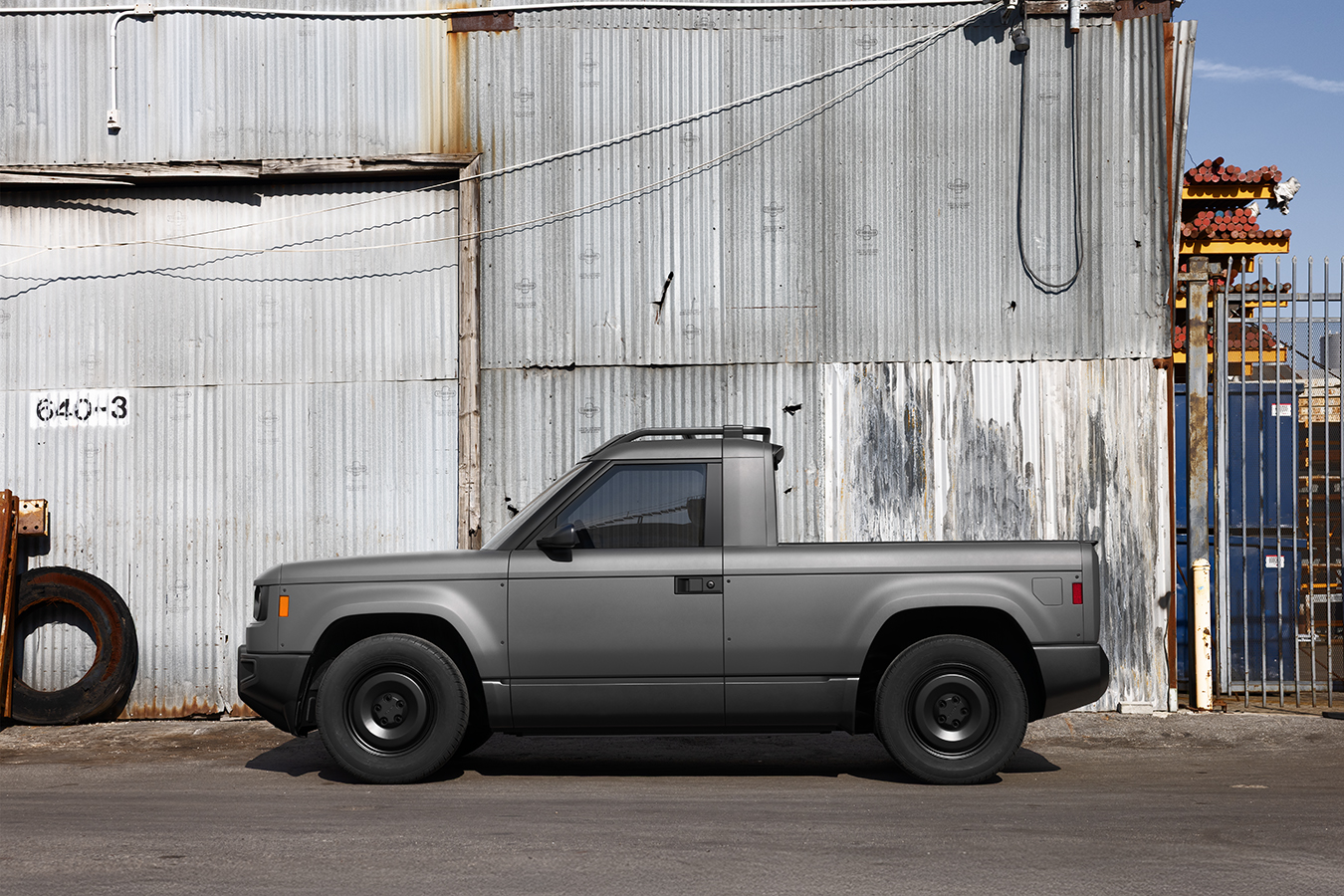
The Slate Truck Problem Nobody Wants to Talk About
When Slate Auto first dropped hints about its upcoming affordable electric pickup truck, the internet went wild. The startup’s public relations team went into overdrive, inviting influencers, media personalities, and automotive content creators to experience the reveal of what was being marketed as a revolutionary $20,000 electric truck.
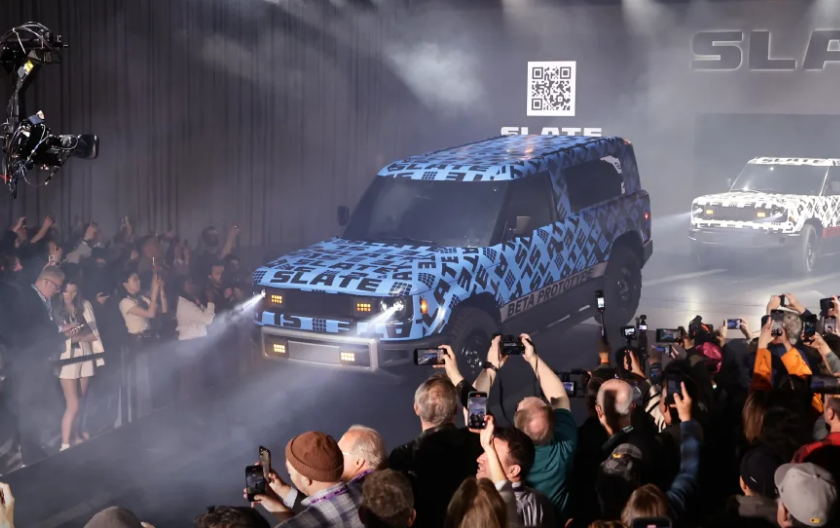
Since then, Slate has continued building excitement by showcasing the compact pickup in major cities across the country. The company, backed by significant financial investors, clearly understands how to generate buzz. However, while the promise of an affordable electric truck has captured plenty of attention, there are still several unanswered questions that potential buyers should consider before placing a reservation.
What Makes the Slate Truck Appealing?
Visit Slate Auto‘s website and you’ll immediately see the company’s focus on simplicity.
For starters, the reservation process requires only a $50 refundable deposit. That’s a smart move. It allows potential customers to secure a place in line without making a major financial commitment.
The truck itself follows a “less is more” philosophy. Buyers can order it without paint, featuring black exterior panels designed to be wrapped in whatever color or style they choose. It’s an interesting concept that allows owners to personalize the vehicle while keeping manufacturing costs low.
The Slate Truck also offers several practical features:
- A 5-foot cargo bed with 35.1 cubic feet of volume
- A front trunk (frunk) with 7 cubic feet of storage
- Overall length of just 174.6 inches
- Height under 70 inches, allowing it to fit in many apartment and condo garages
- NACS charging connector compatibility
- DC fast charging capability
Inside, simplicity reaches an entirely different level.
There is no traditional infotainment system. No built-in radio. No power windows. No luxury features. Buyers get two seats, a steering wheel, a digital gauge cluster, and not much else.
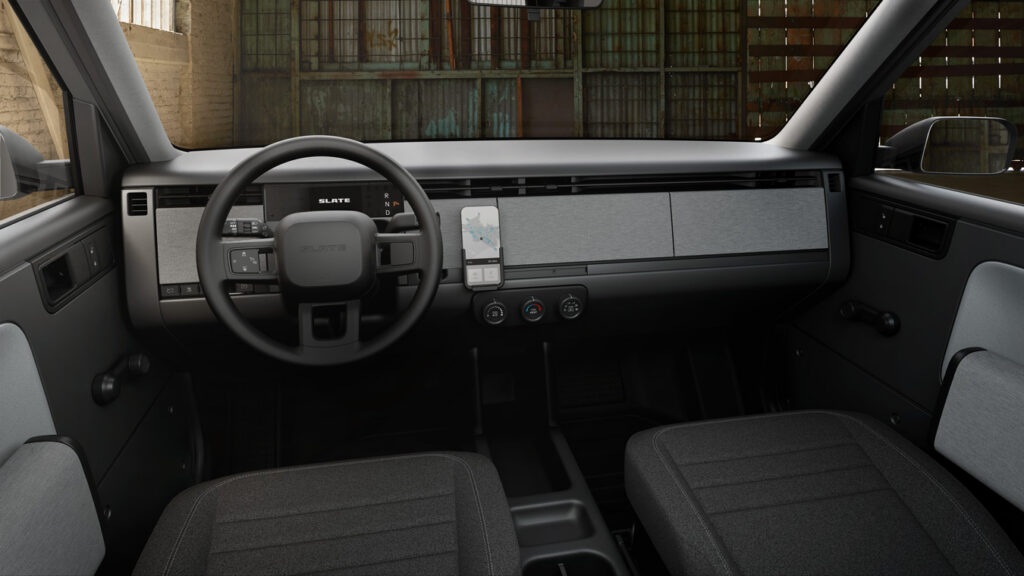
Slate believes many consumers are tired of increasingly complicated vehicles loaded with technology they may never use. By removing those features, the company hopes to keep pricing affordable.
But once the excitement wears off, will buyers still enjoy living with such a stripped-down vehicle every day?
The Range Question
Perhaps the biggest concern surrounding the Slate Truck is its battery range.
The truck uses a single rear-mounted 150-kW electric motor and is expected to offer:
- Approximately 150 miles of range with the standard battery
- Approximately 240 miles of range with the extended battery
On paper, those numbers sound acceptable. In reality, EV range is often heavily affected by weather, terrain, driving habits, and cargo weight.
Cold temperatures can significantly reduce battery performance. A projected 150-mile range could realistically become closer to 75-100 miles during winter conditions. Likewise, extreme summer heat and highway driving can dramatically reduce the effectiveness of the larger battery pack.
We’ve seen similar situations before. Companies like Canoo entered the market promising competitive range figures, only to watch established automakers quickly surpass them before production ever reached meaningful scale.
The EV market moves incredibly fast. What seems competitive today can feel outdated by the time vehicles actually arrive in customer driveways.
The EV Depreciation Problem
This is where I believe Slate faces its biggest challenge.
Since the EV boom peaked in 2022, electric vehicle values have returned to reality. While EV adoption continues growing, resale values have become a significant concern.
Many well-established automakers have experienced substantial depreciation on their electric vehicles.
Vehicles such as the Ford Mustang Mach-E and Porsche Taycan have seen used values drop dramatically in just a few years. If major manufacturers with decades of brand recognition struggle to maintain resale value, what happens to a startup brand with no established track record?
That’s the question every potential Slate buyer should be asking.
If the truck launches around its projected price point and demand softens after the initial excitement, depreciation could be severe. A vehicle purchased for around $20,000-$25,000 could potentially lose more than half its value within a relatively short period.
For buyers financing their purchase, that creates a real risk of becoming upside down on a loan.
Can Buyers Really Live With Less?
At All Terrain Nation, we don’t believe in criticizing vehicles simply for clicks. In fact, the concept behind the Slate Truck is genuinely intriguing.
A lightweight, affordable electric pickup focused on utility rather than luxury fills a gap in today’s market. Not everyone needs a massive truck loaded with expensive technology.
However, the success of the Slate Truck will ultimately come down to more than its price tag.
Can customers live with manual windows, limited range, and minimal technology? Will the resale market support the vehicle long-term? And perhaps most importantly, will buyers still be excited about “less is more” after the novelty wears off?
Over the next year, we’ll begin getting those answers. Until then, the biggest question surrounding the Slate Truck isn’t whether it’s affordable.
It’s whether affordability alone is enough.
About The Author