No Buzz Here – The Electric Experiment is over for now
In 2021, a new U.S. administration took office with a clear goal: change the way Americans drive. Massive incentives were rolled out to push manufacturers toward electrification, and nearly every major automaker rushed to claim leadership in the EV space. Brands like Ford, GM, and Volkswagen went all-in, determined not to be left behind.
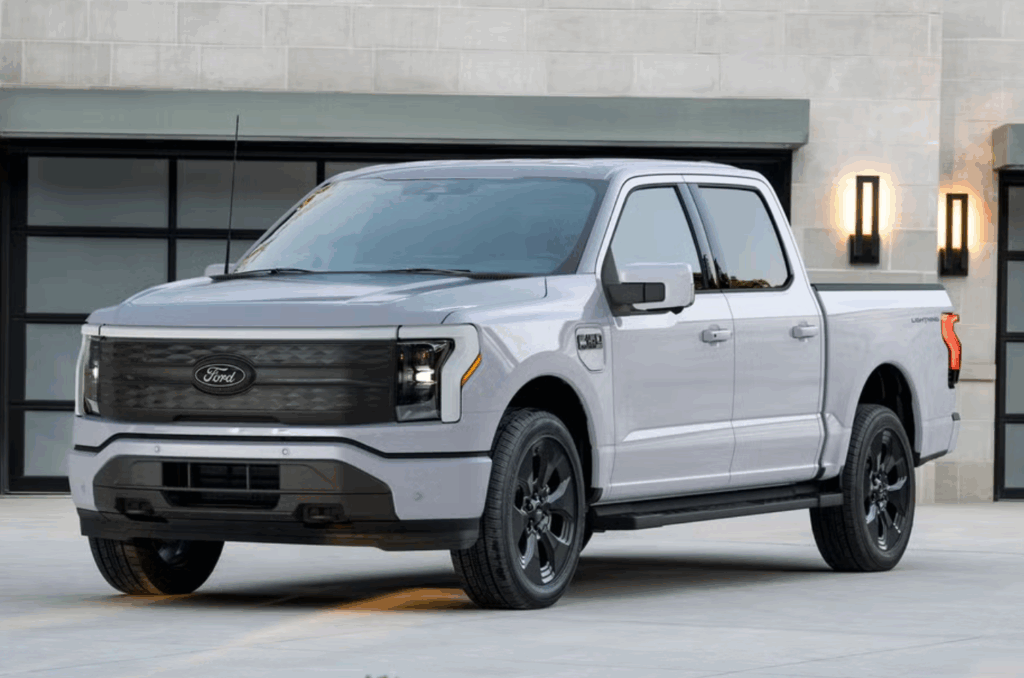
General Motors fast-tracked the Hummer EV, reviving an iconic off-road nameplate from the ’90s and early 2000s in fully electric form. Ford beat Tesla to market with the first full-size electric pickup, the F-150 Lightning. Startups like Canoo, Lordstown, Lucid, and others were incentivized to jump in, all promising to build the next great American EV.

With huge federal incentives and aggressive investment, Tesla once the uncontested leader watched profits and stock prices soar even higher as the entire industry piled in.
An Unstoppable Force Meets an Immovable Object
During the 2021–2022 window, manufacturers rushed products to market, and early adopters went wild. Big screens, instant torque, and eye-popping 0–60 times turned family haulers into rolling tech showcases.
But reality set in quickly.
Charging times were slow. Charging infrastructure was inconsistent. Range anxiety became real. What used to be a quick 10-minute gas stop maybe with an In-N-Out run turned into waits of 45 minutes to over an hour, assuming chargers were even working. After all that, you were rewarded with roughly 200 miles of range… only to repeat the process again.
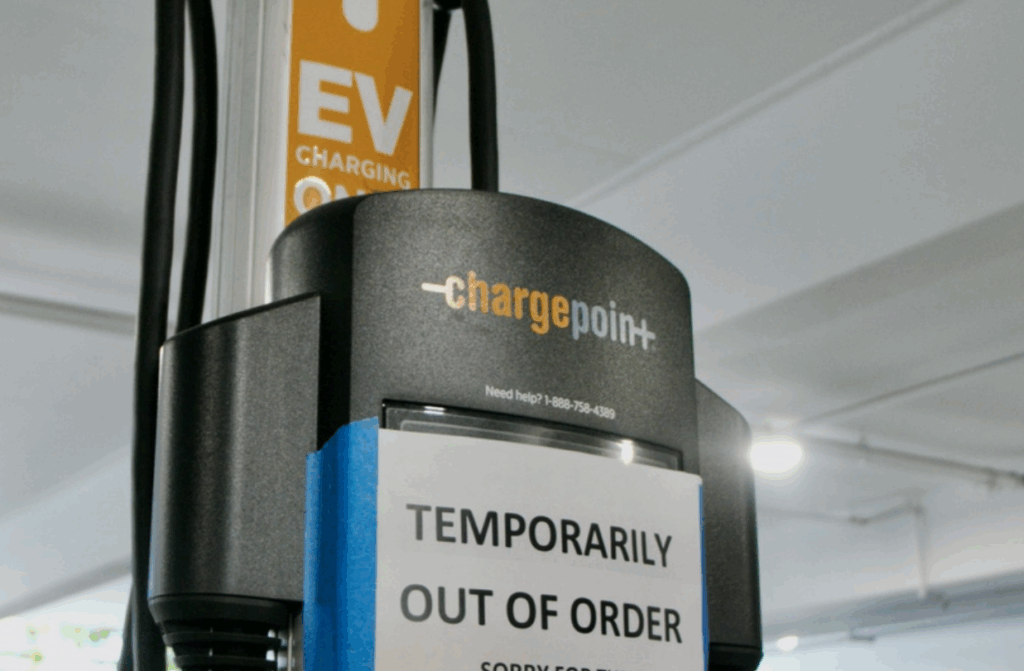
Electrification, it turned out, wasn’t ready for prime time, especially for traditional truck and SUV buyers.
Goodbye, Class of ’22
This week, reports surfaced that the Ford F-150 Lightning is effectively done. The experiment is over, ending with an estimated $19 billion charge for the brand. Much of that will be written off, softening the blow on paper but the real question is what happens next.
Ford invested roughly $5 billion per plant in massive battery facilities in Kentucky and Tennessee, near Louisville and Memphis. With EV plans pulled back and the partnership with SK Innovation dissolved, those once-celebrated factories now sit in limbo.
Local communities that were promised thousands of high-paying manufacturing jobs are left wondering what comes next. As of this writing, Ford has stated the Kentucky plant may become a data center, while plans for the Memphis facility remain unclear.
Ford isn’t alone.
Volkswagen has also announced that the ID. Buzz, its fully electric retro-inspired minivan, is finished in the United States. The ID. Buzz will continue in Europe, where stricter emissions regulations and stronger EV adoption make it a better fit.
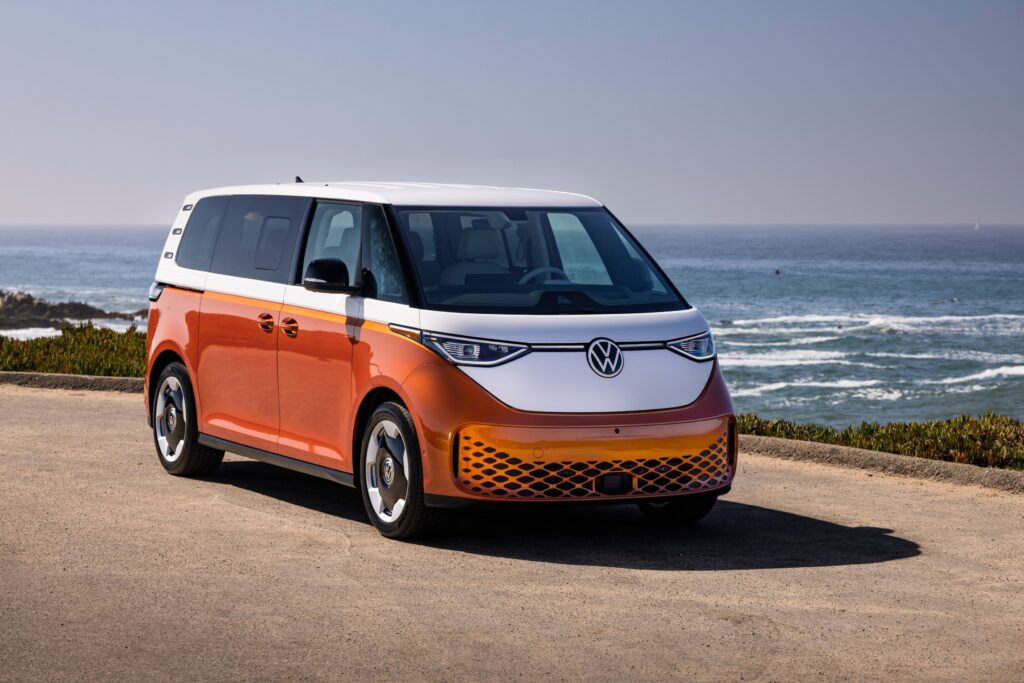
Looking at the design alone, it’s hard not to ask: why didn’t Volkswagen develop both gas and electric versions? A hybrid or even a traditional ICE option could have saved the ID. Buzz in North America. Instead, the lack of range and charging practicality killed any real momentum. What could have been will remain a “what if.”
Push, Push… Then Pause
As the electrification experiment slows, automakers are being forced to ask hard questions about platforms still in development.
Is it worth losing billions to satisfy political pressure?
Is the juice really worth the squeeze?
EVs absolutely have a future but the rushed rollout left traditional buyers confused, frustrated, and disengaged heading into the 2026 model years. The industry tried to move faster than infrastructure, faster than consumer habits, and faster than reality would allow.
For now, the buzz is gone.
About The Author