
Five Things the 2028 Nissan Xterra Must Have to Succeed
The return of the Nissan Xterra is one of the most talked-about possibilities in the off-road SUV world. With competitors like the Ford Bronco, Jeep Wrangler, and Toyota 4Runner dominating the segment, Nissan has a real opportunity but only if they get it right. Here are five things the next-generation Xterra must have to stand a chance.
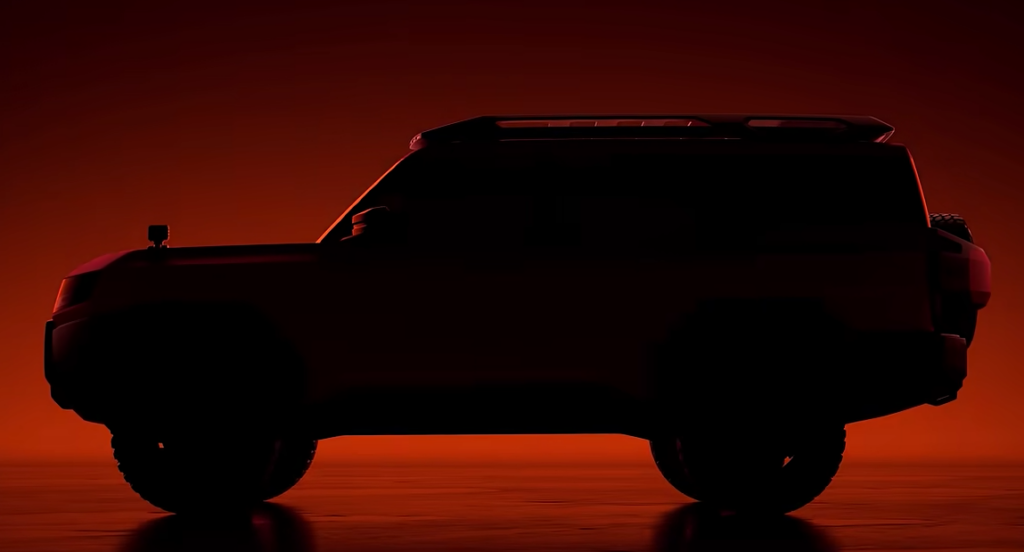
1. Real Power And Plenty of It
Horsepower might just be a number, but in today’s market, it matters more than ever.
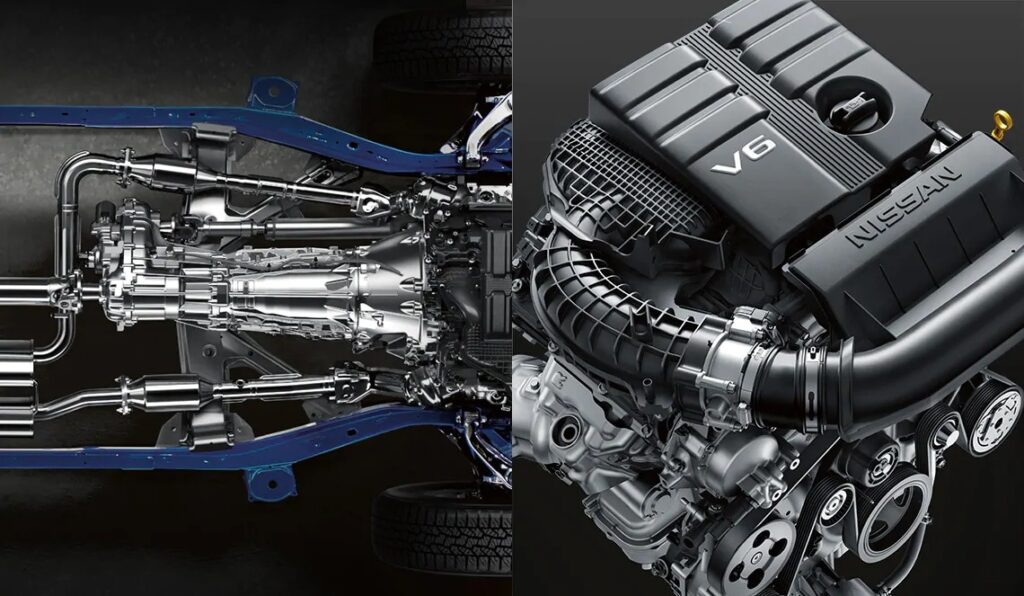
Modern off-road SUVs are pushing well beyond 300 horsepower, and buyers are paying attention. If Nissan brings the Xterra back with a naturally aspirated V6, it can’t just meet expectations it has to exceed them.
A target around 330 horsepower simply isn’t enough anymore. To truly compete, the Xterra needs to come in stronger, delivering power that feels competitive right out of the gate.
2. 35-Inch Tire Capability
The off-road game has changed and tire size is a big part of that shift.
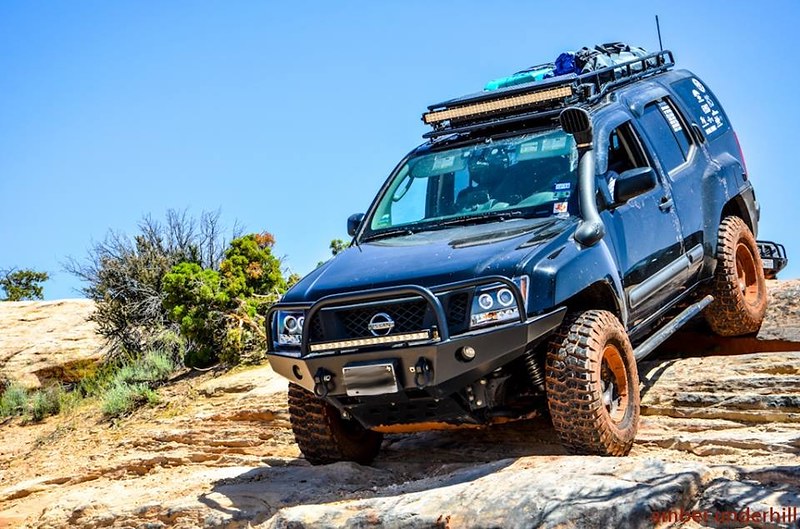
While not every trim needs to come factory-equipped with 35-inch tires, the Xterra’s most capable version absolutely must be able to support them. Whether it’s a Pro-4X trim or something even more aggressive, 35s are now the benchmark.
If Nissan releases a top-tier off-road model that can’t handle that setup, it risks being overlooked entirely by serious enthusiasts.
3. Competitive, Modern Tech
Technology is no longer optional—it’s a deciding factor.
Nissan has historically delivered solid, usable tech, but “solid” isn’t enough anymore. Today’s buyers expect intuitive infotainment systems, fast response times, and dedicated off-road features.
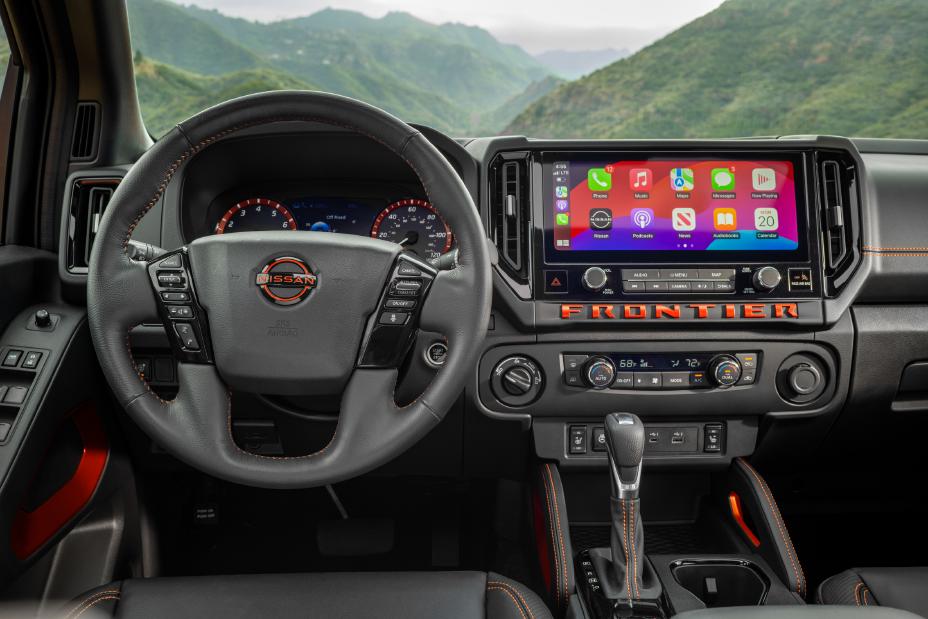
The new Xterra needs:
- A modern infotainment interface
- Integrated off-road displays and controls
- Easy-to-use navigation and trail features
- Functional, physical controls where they matter
If Nissan continues to trail competitors by even a few years in this category, it could seriously hurt the Xterra’s chances.
4. Bold, Recognizable Colors
One area where Nissan can stand out is design and specifically, color.
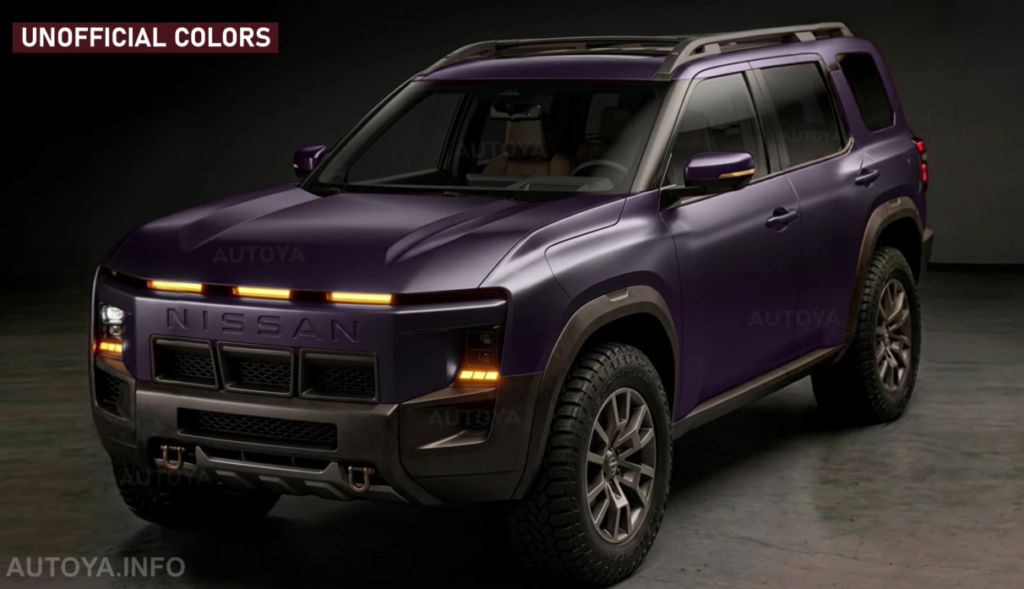
The Xterra built its identity on bold choices like bright yellow, rugged greens, and standout oranges. These weren’t just colors they were part of the vehicle’s personality.
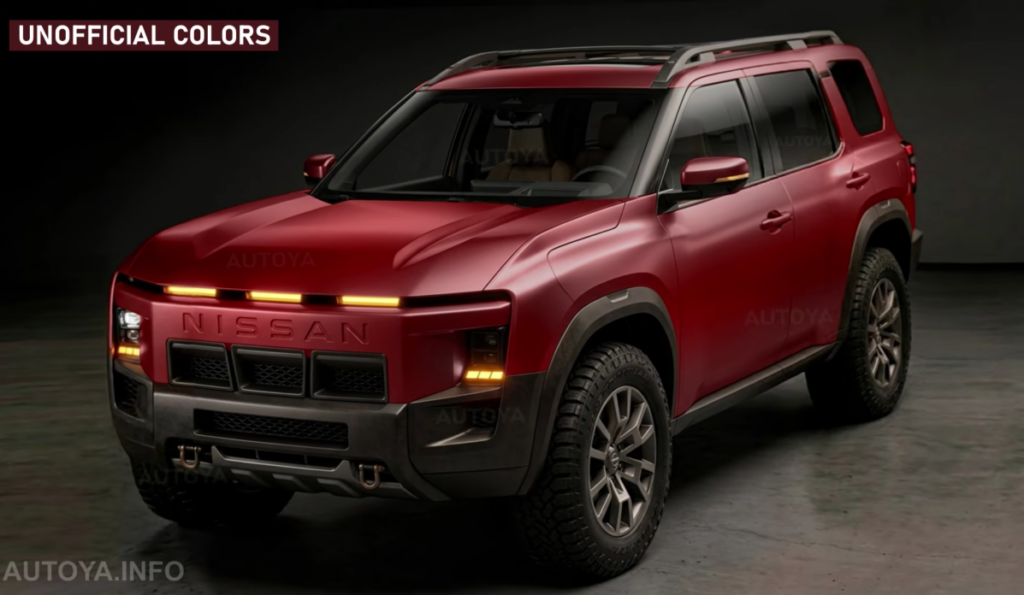
With even Nissan leadership hinting at the return of yellow, there’s a real opportunity here. In a market where many competitors are playing it safe, a strong, adventurous color palette could give the Xterra a unique edge.
5. Aggressive Pricing
Pricing may ultimately determine whether the Xterra succeeds or fails.
Right now, top-tier off-road SUVs like the Wrangler Rubicon, Bronco Badlands, and 4Runner TRD Pro are pushing into the $70,000 range. If Nissan follows that same pricing strategy, it risks getting lost in the crowd.
Instead, the Xterra needs to undercut the competition.
A target range of $62,000 to $64,000 for a fully loaded off-road model could be the sweet spot low enough to grab attention, but still competitive in features and capability.
Final Thoughts
The Nissan Xterra has the potential to be a serious player in the off-road SUV segment again but only if Nissan delivers where it matters.
Power. Capability. Tech. Personality. Price.
Miss on any one of these, and the Xterra risks becoming just another option. Nail all five, and it could once again become a fan favorite and a true competitor to the segment’s biggest names.
What do you think?
What does Nissan need to do to pull buyers away from the Bronco, Wrangler, and 4Runner?
Let us know in the comments and as always, whether it’s two-wheel drive or four-wheel drive, just make sure you’re out there having fun
About The Author