For decades, Toyota built its reputation on one simple principle: build it right the first time.
When you thought about Toyota, words like quality, durability, and reliability immediately came to mind. Whether it was a Tacoma, Land Cruiser, or Tundra, buyers knew they were paying for a vehicle that would likely outlast the competition. Toyota didn’t always have the most horsepower, the flashiest interiors, or the newest technology, but they had something arguably more valuable: trust.
That trust is now being tested.
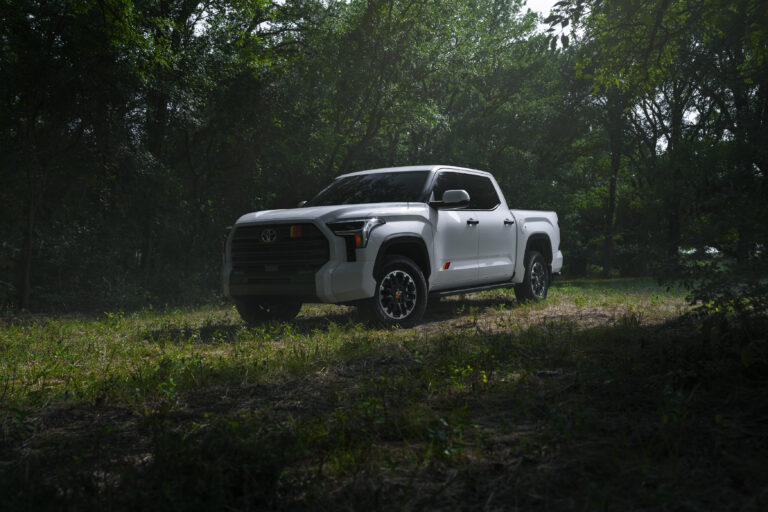
Back in 2020, the future of Toyota’s full-size truck program was reportedly hanging in the balance. The previous-generation Tundra struggled to compete with Detroit’s truck giants, and questions surrounded whether Toyota should continue investing in the segment. Former chief engineer Mike Sweers reportedly fought to keep the truck alive, pushing for an all-new generation designed to take on Ford, Chevrolet, and Ram.
On paper, the plan made sense.
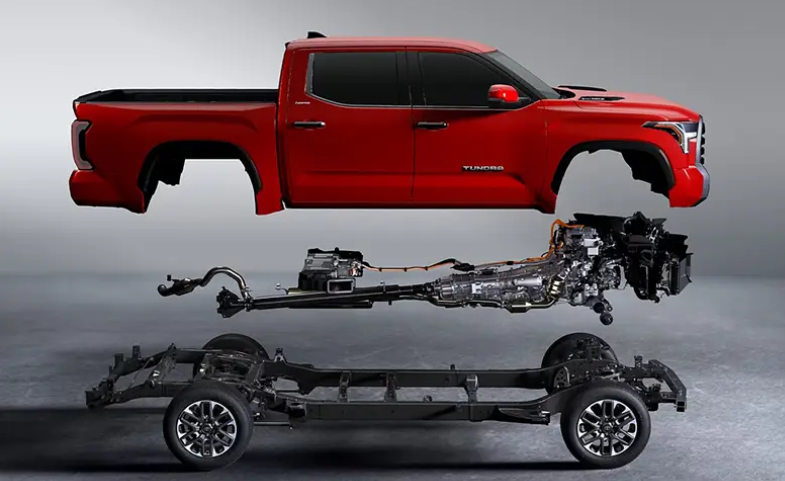
The new Tundra would ditch its aging V8 in favor of a modern twin-turbocharged 3.4-liter V6. It would feature improved technology, increased capability, and better fuel economy. The truck launched during one of the most challenging manufacturing periods in modern history, the middle of a global pandemic.
Then disaster struck.
By now, it’s no secret that Toyota has faced significant issues with its twin-turbo V6 engine. Reports of catastrophic engine failures began surfacing as owners experienced bearing seizures and complete engine failures, often with little warning. Investigations pointed toward manufacturing debris left behind during engine production that could damage rod bearings and lead to catastrophic failure.
Initially, Toyota appeared to handle the situation exactly how customers expected.
The company issued recalls affecting more than 100,000 vehicles and made the bold decision to replace engines at no cost to owners. It was an expensive move, but it demonstrated accountability and helped reassure customers that Toyota was taking the problem seriously.
Many believed the issue would eventually become nothing more than another internet headline that faded away with time.
Unfortunately, that hasn’t happened.
Toyota recently expanded recall actions on certain 2024 Tundra models, acknowledging that previously implemented manufacturing improvements and cleaning procedures were not entirely effective at preventing future engine-related concerns. While the company continues to investigate and address the issue, the ongoing reports of failures have left many customers wondering whether Toyota’s legendary quality standards have slipped.
And that’s where the bigger problem exists.
This isn’t just about a faulty engine.
This is about a brand whose entire identity has been built on reliability. When consumers buy a Toyota, they’re not simply purchasing transportation, they’re buying confidence. They’re buying the belief that their vehicle will start every morning, survive hundreds of thousands of miles, and require fewer headaches than the competition.
When that reputation begins to crack, the damage extends far beyond warranty claims.
The Tundra was supposed to represent Toyota’s future in the full-size truck market. Sales have improved, and the truck is more competitive than ever before. Yet instead of being known for innovation and capability, the current-generation Tundra has become a cautionary tale about quality control.
Toyota can recover from this. The question is whether they can restore the trust that made them the gold standard in the first place.
Because if Toyota can’t be relied upon, what exactly makes Toyota… Toyota?
About The Author