The Number Nobody Talks About

We live in a world of numbers.
Credit scores, horsepower, monthly payments, fuel economy ratings, everything in the automotive industry eventually comes down to math.
But there’s one number that has exploded over the past several years that almost nobody talks about:
Destination charges.
From $590 to Over $2,000
Back in 2006, Kelly purchased a Chevrolet Cobalt LT Coupe. We still have the original window sticker today.
The car started at $16,200 and finished around $18,535 with options included.
The destination charge?
$590.
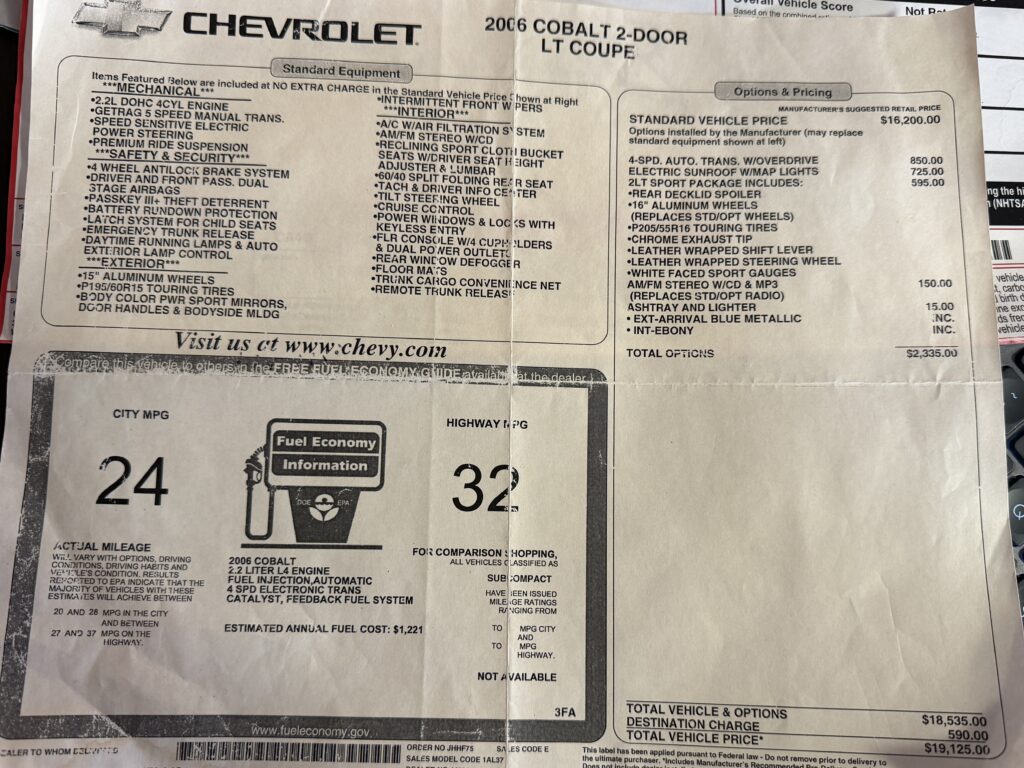
At the time, that still felt expensive, but it didn’t feel unreasonable compared to the overall cost of the vehicle.
Fast forward to 2020 when we ordered our Ford Bronco.
Destination charges had jumped to $1,495.
Then in 2024, both our Ford Mustang GT Performance Package and Ranger Raptor carried a $1,595 destination fee.
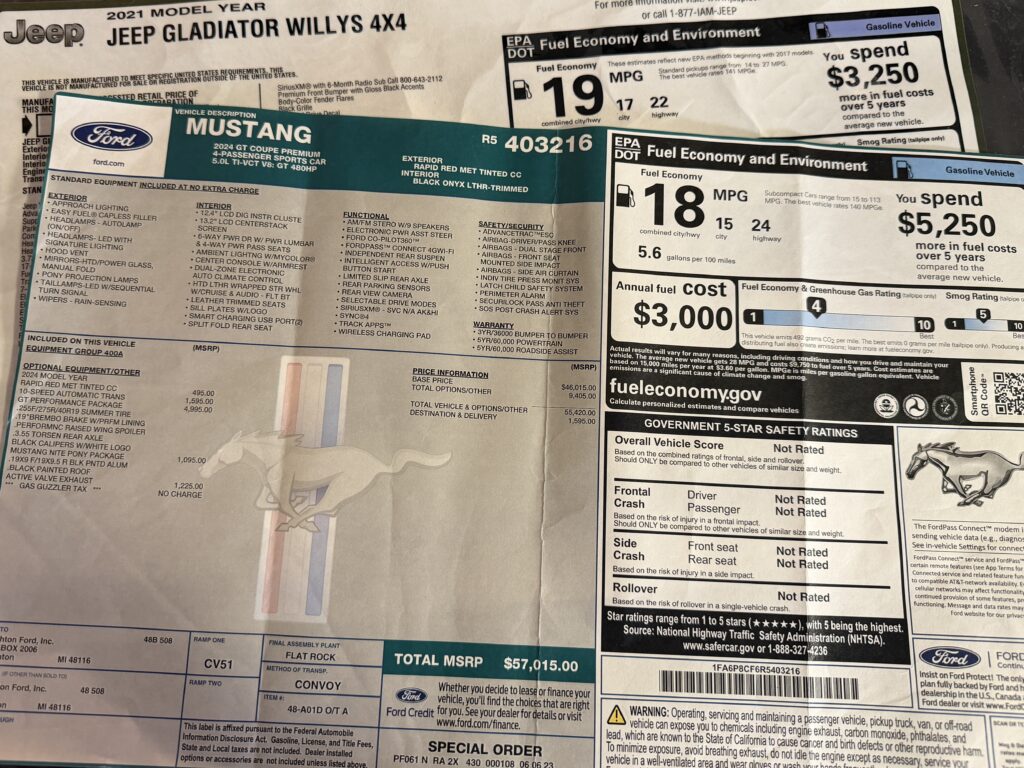
And here’s the crazy part:
Both vehicles were ordered roughly 40 miles from where they were built.
Are Automakers Quietly Hiding Profit?
Now to be fair, destination pricing is standardized nationwide. Someone in California generally pays the same shipping fee as someone in Tennessee.
That system makes sense.
But today’s numbers are becoming difficult to ignore.
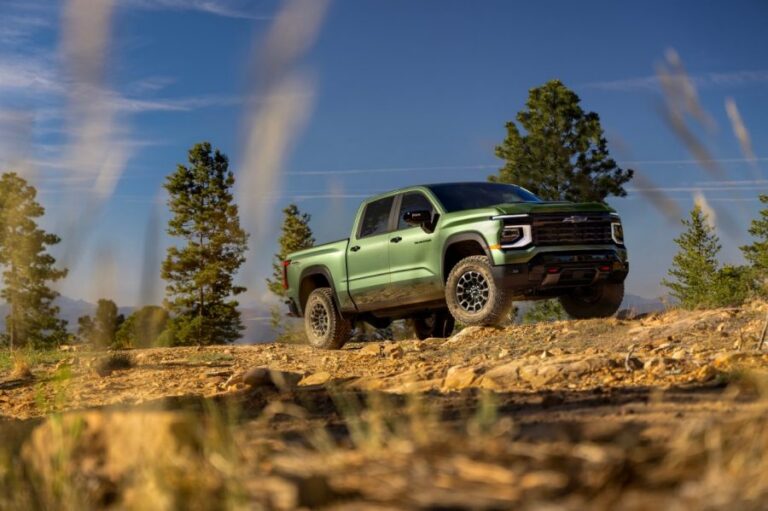
To compare apples to apples, I built a base 2026 Chevrolet Colorado Trail Boss online.
Base MSRP: $40,500
Destination charge: $2,095
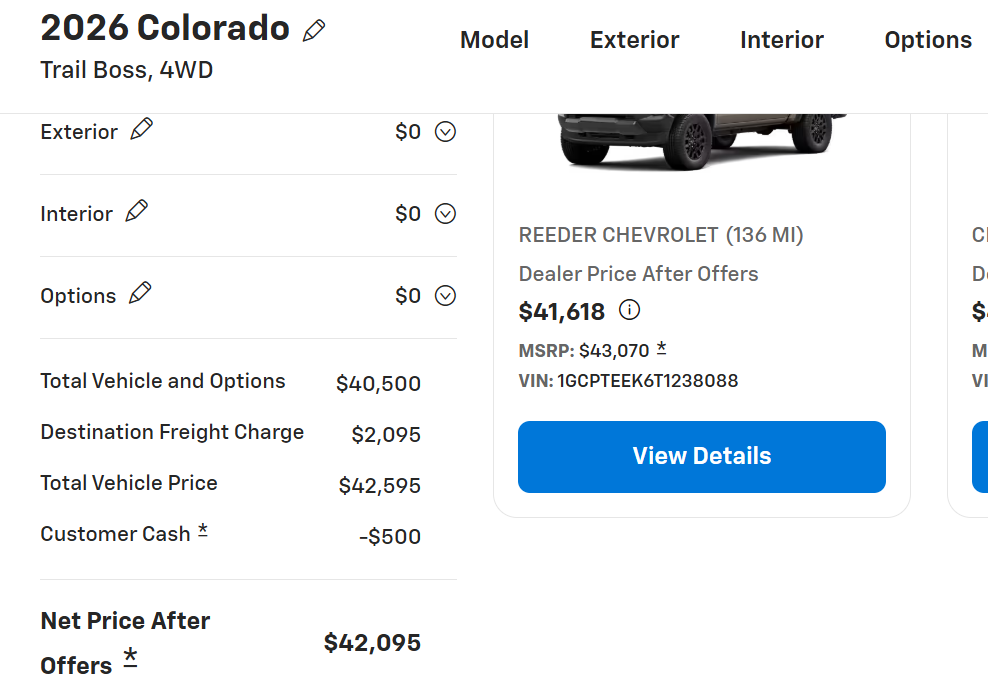
That means Chevrolet now charges over two thousand dollars just to move a midsize pickup truck to a dealership.
If transport trailers carry roughly eight vehicles, that equals:
$16,760 per load.

Now obviously logistics are expensive. Rail systems, trucking companies, labor, fuel, storage yards, insurance, none of this is cheap.
But has shipping really become THAT expensive?
Or have destination charges slowly become another profit center for manufacturers?
The Bigger Problem
The real issue is that most buyers barely notice destination charges anymore.
When people are already financing a $60,000 or $70,000 vehicle, another $2,000 quietly disappears into the monthly payment.
But maybe it shouldn’t.
Because when you stop and really look at the numbers, destination charges may be one of the fastest-growing costs in the automotive industry — and almost nobody is questioning it.
About The Author