The year was 1994. The automotive industry was hungry for SUVs, Pearl Jam was shaping a generation, and Honda was doing what it did best selling compact cars by the millions. But there was a hole in Honda’s lineup: a true SUV.
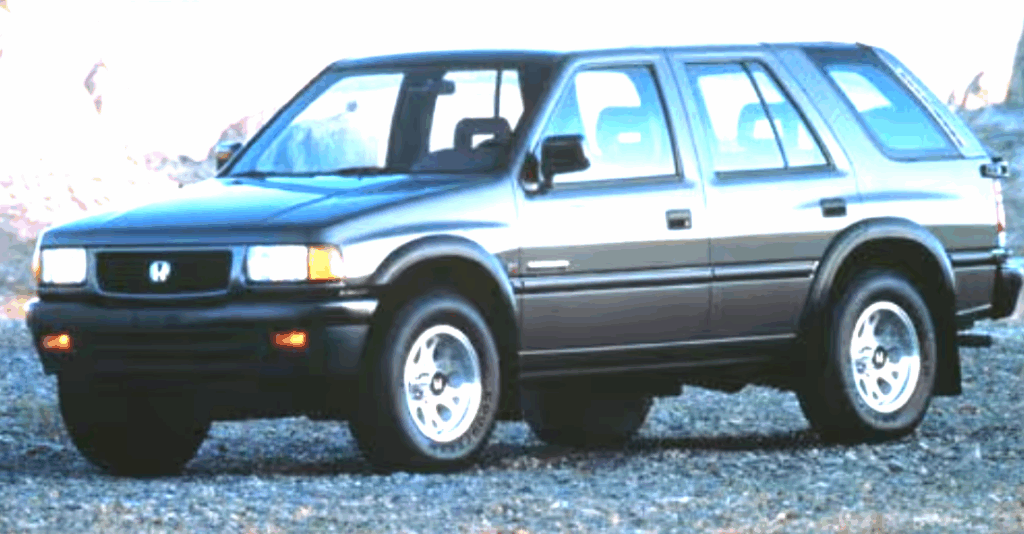
Rather than rushing an in-house solution, Honda looked to Isuzu and rebadged the body-on-frame Rodeo, giving birth to the original Passport. Interestingly, Honda relied on that Isuzu-based platform all the way through 2002. As the market evolved, Honda shifted focus to its in-house Pilot program, and by 2002 the Passport nameplate quietly disappeared.
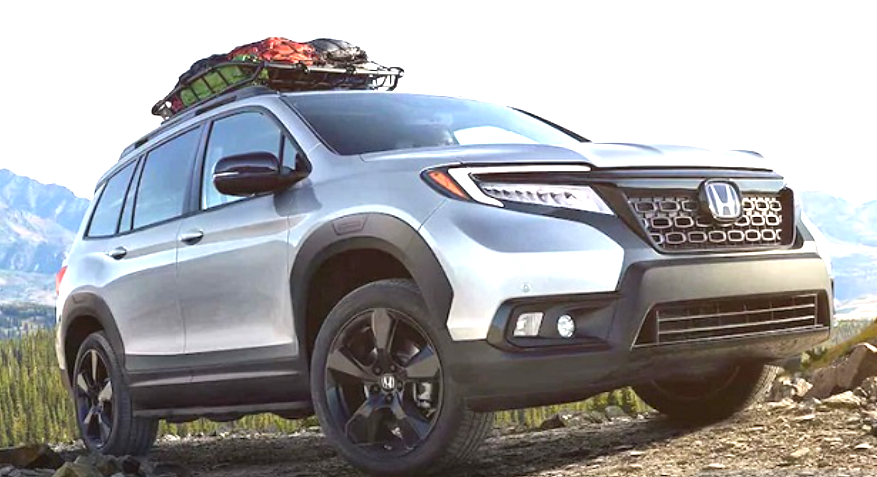
Fast forward to 2018. Consumer tastes had changed again and Honda realized there was room in the lineup for a midsize SUV slotting neatly between the CR-V and Pilot. The Passport badge returned for the 2019 model year, debuting at the Los Angeles Auto Show and built in the United States.
More Minivan? Not Anymore.
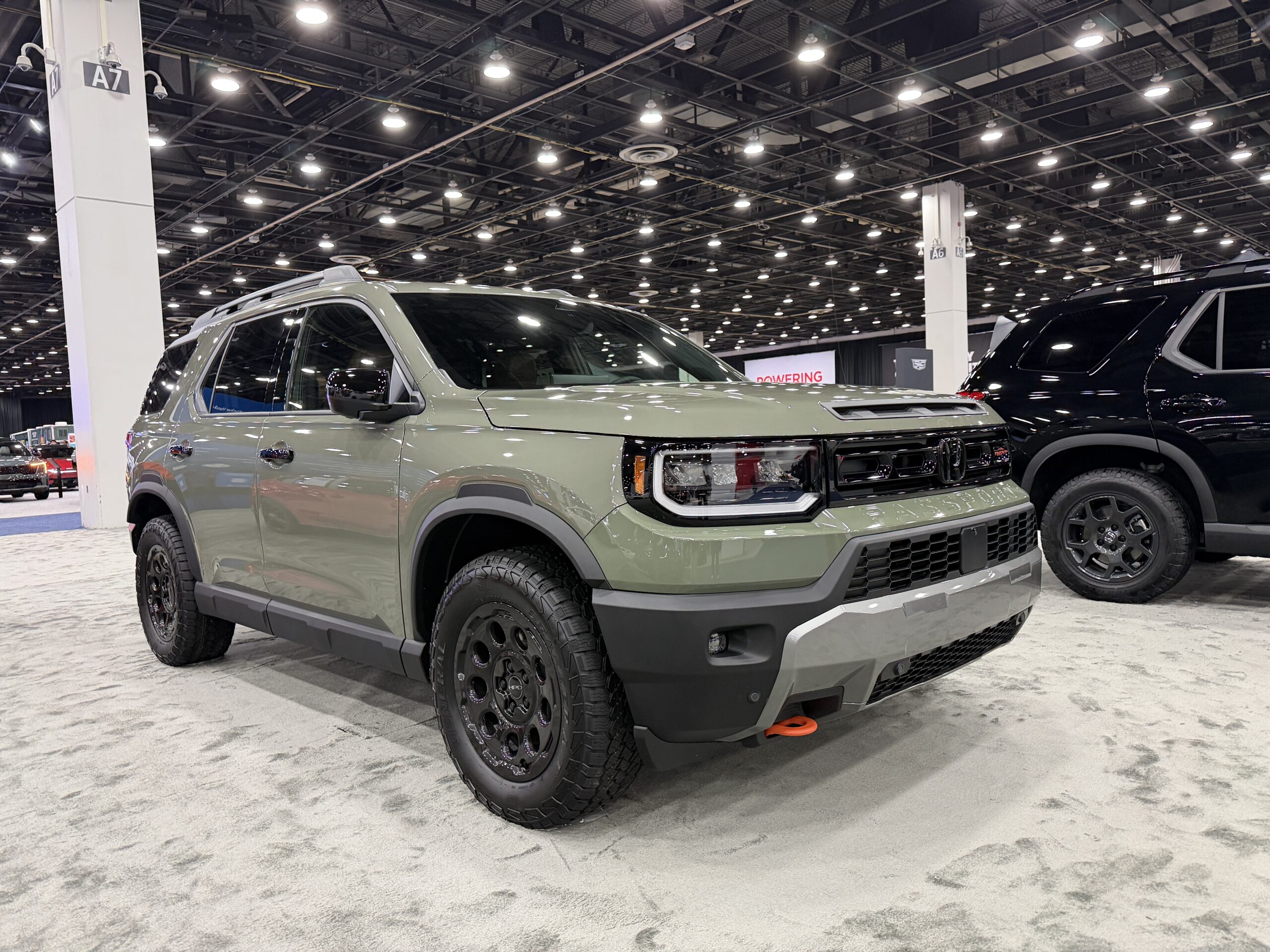
While earlier modern Passports felt safe almost bland in Honda’s lineup, the 2026 model receives a much-needed transformation. Gone are the car-like design cues. In their place is a more rugged, boxy SUV that actually looks ready to hit the trail.
Honda has historically been slow to fully embrace the adventure lifestyle, but with this fourth-generation Passport, a noticeable shift has taken place. This isn’t just a refresh it’s a change in direction.
TrailSport Elite: It’s Complicated
A walk around the Passport TrailSport Elite Blackout Edition makes one thing immediately clear: this is a good-looking SUV. Rugged body lines, off-road tires, orange-accented tow hooks, and TrailSport detailing all signal Honda’s intent to plant a flag in the off-road and adventure space.
Inside, the Passport continues to impress. The dark interior is comfortable, well thought out, and practical perfect for hiding the dirt and dust from your latest camping trip. Under the hood, Honda delivers 285 horsepower from its V6 paired with all-wheel drive and a 10-speed automatic transmission.
Would we love to see 300 horsepower or more? Absolutely. But credit where it’s due Honda didn’t underpower the Passport, and the drivetrain feels appropriately matched to the vehicle’s size and mission.
The Missed Opportunity
On paper, the 2026 Passport checks a lot of boxes. The design is strong. The interior is excellent. The capability looks convincing.
But there’s one thing holding it back.
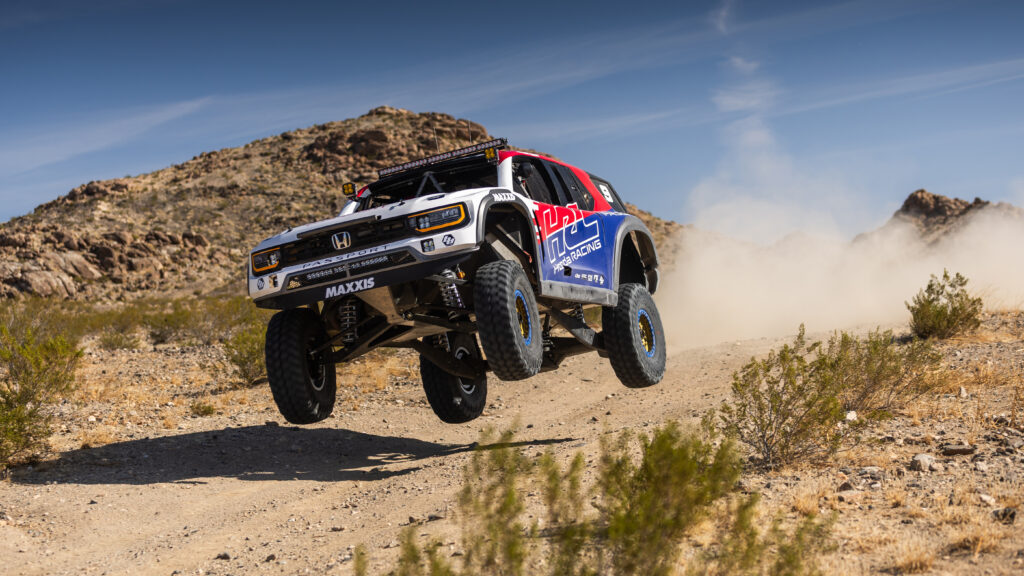
In our opinion, this SUV should have been built on a body-on-frame architecture. Doing so would’ve allowed Honda to lean back into its Passport roots while opening the door to future possibilities like a midsize pickup platform. It would have given Honda true credibility in the off-road space instead of just the appearance of it.
As it stands, the 2026 Honda Passport is a sheep dressed in wolf’s clothing.
And while it finally looks the part, some of us are still waiting for Honda to fully commit.
About The Author